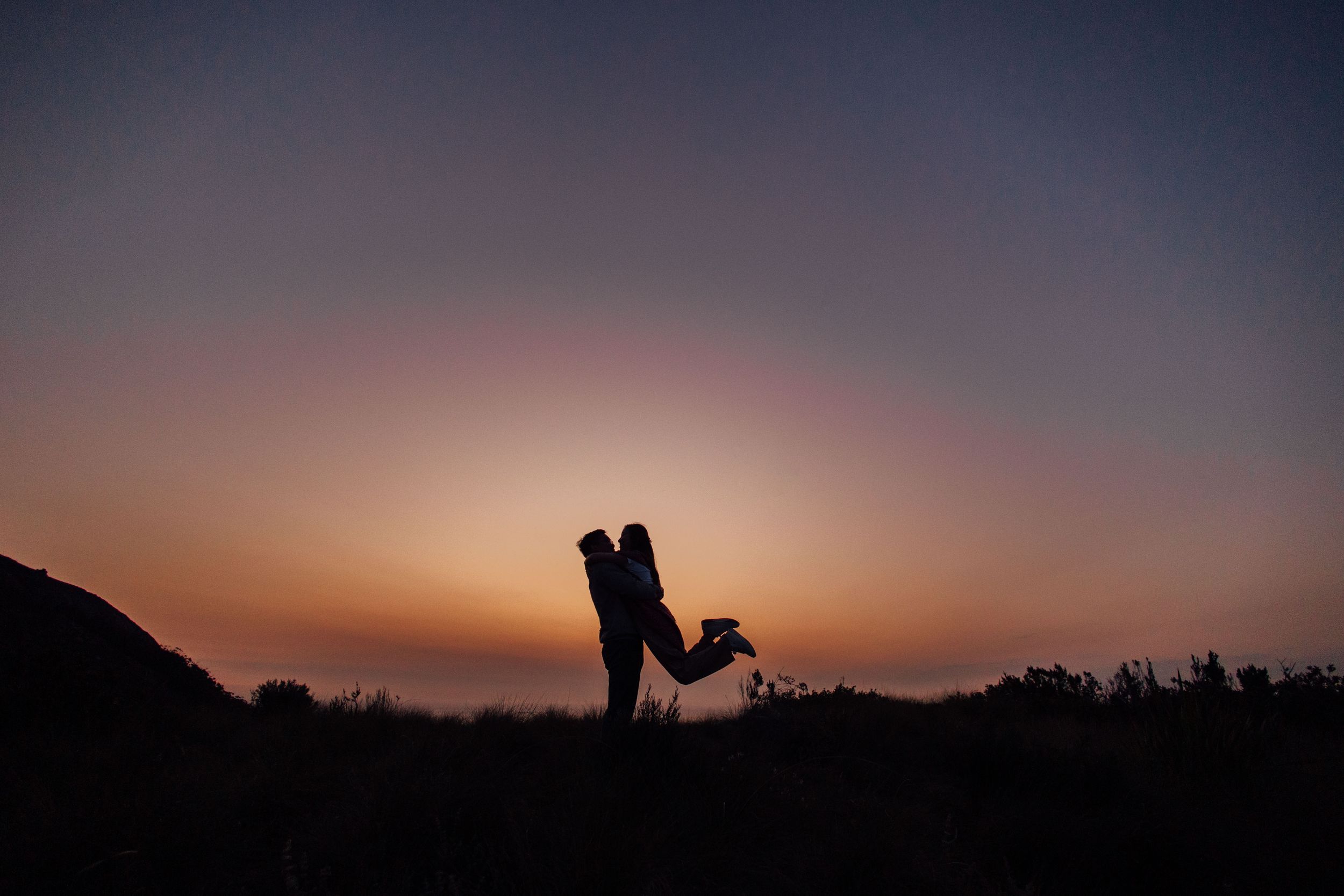
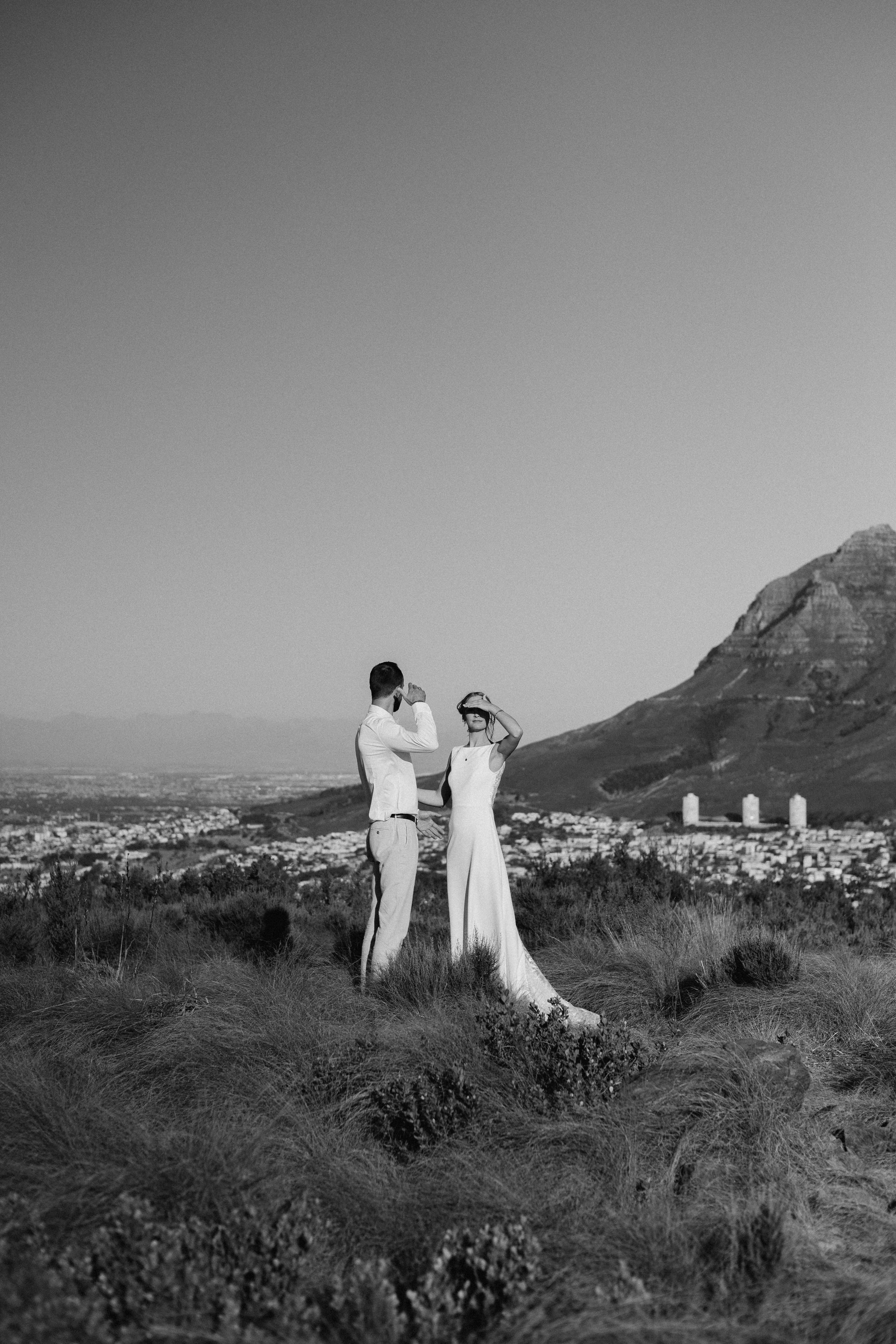
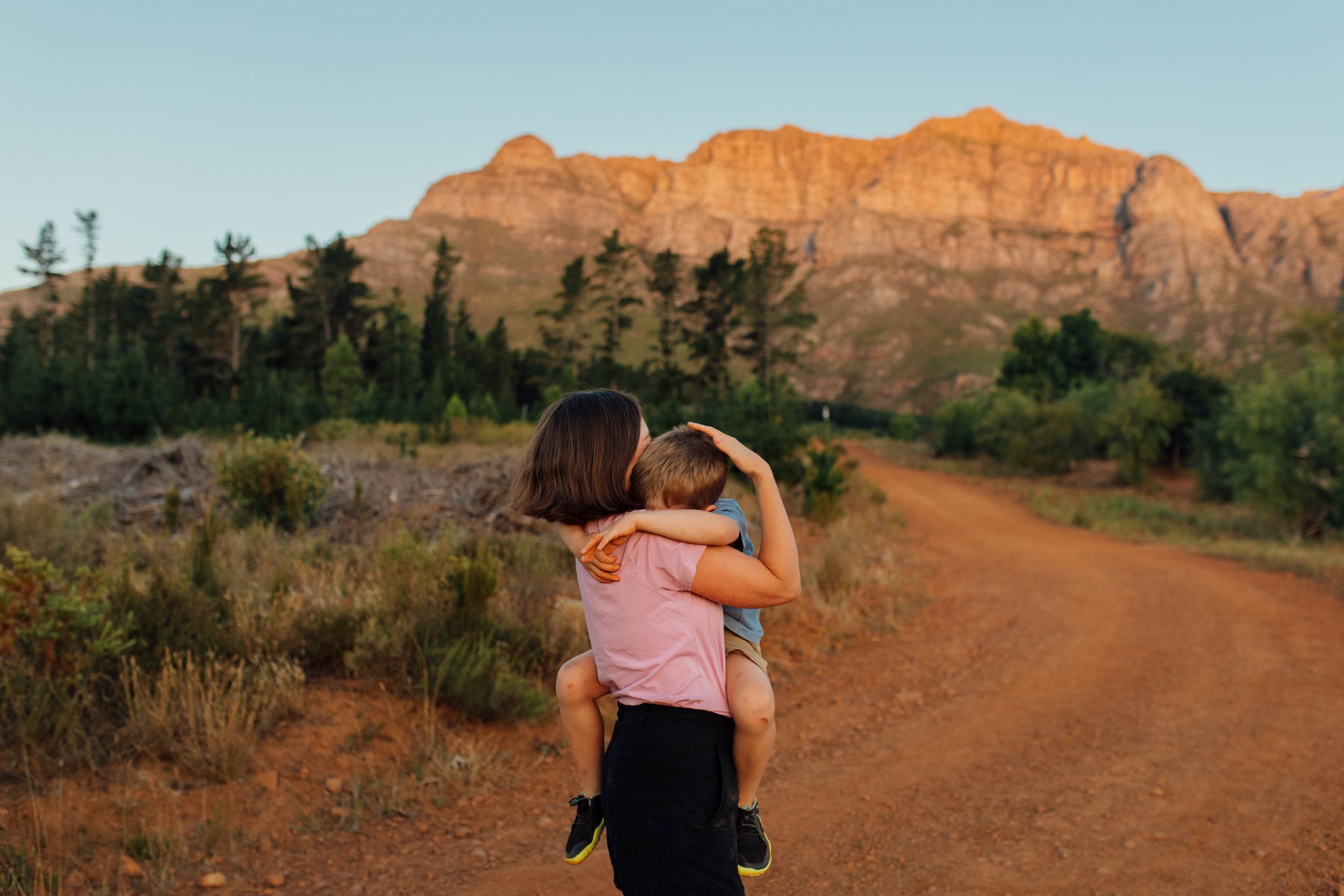
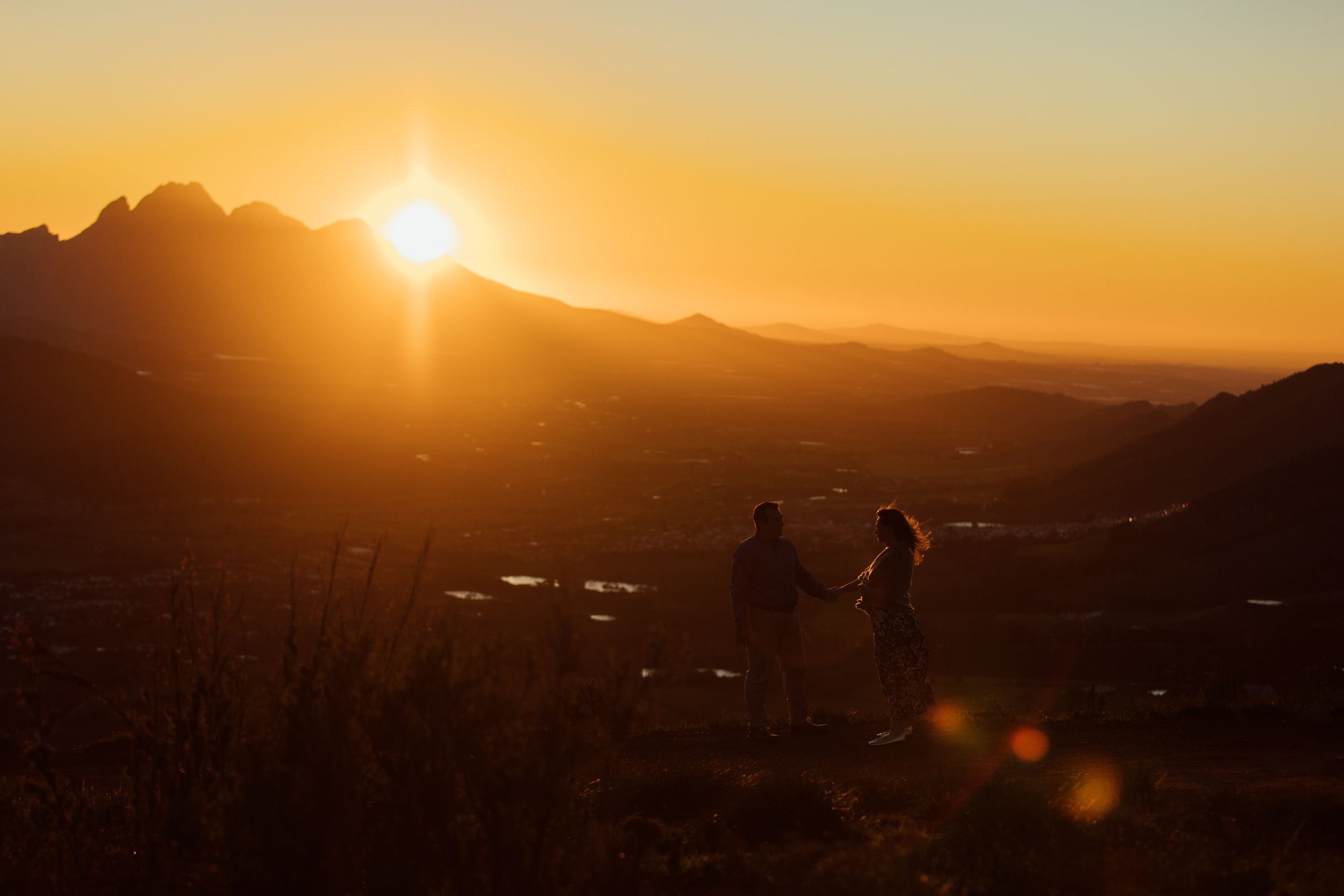
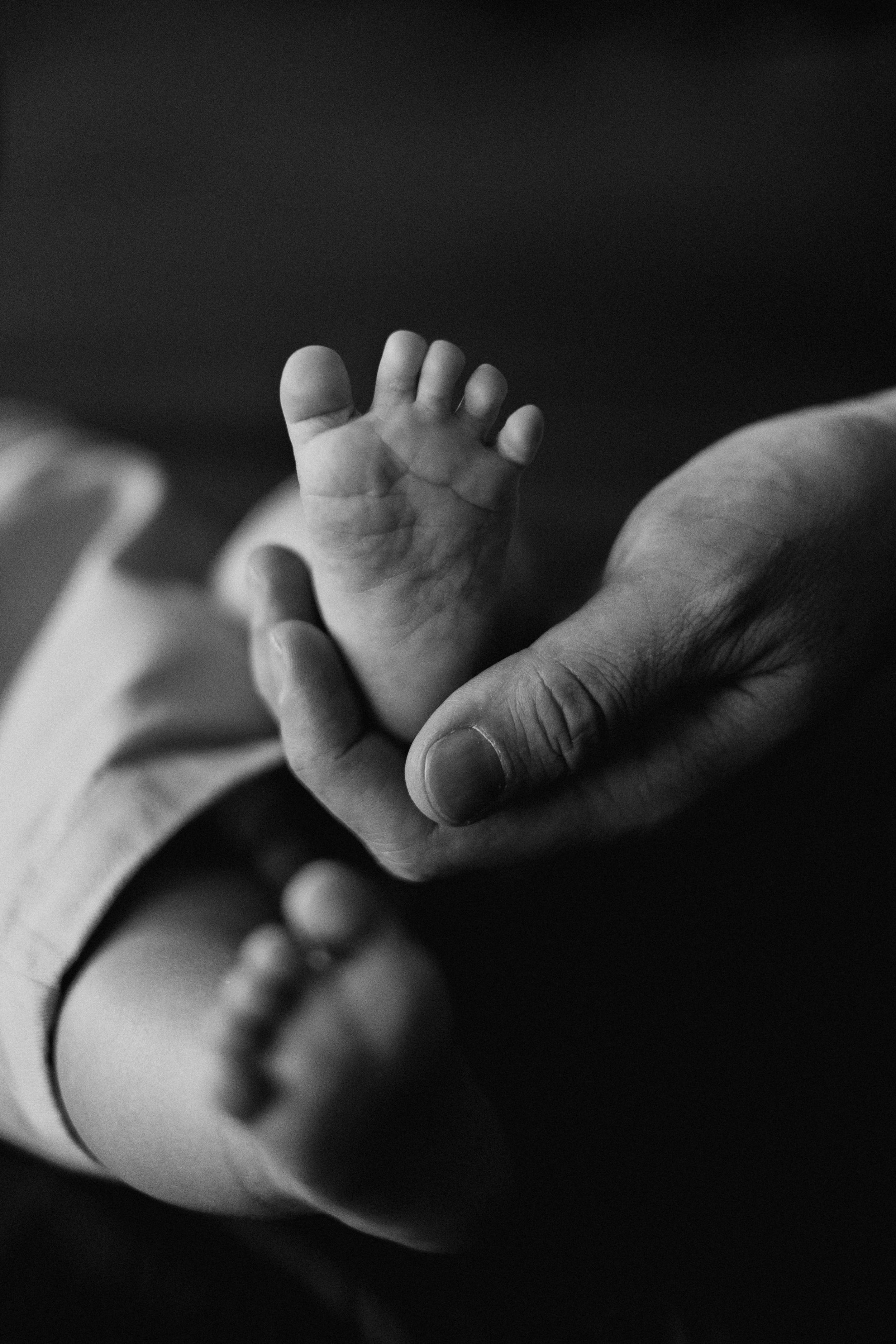
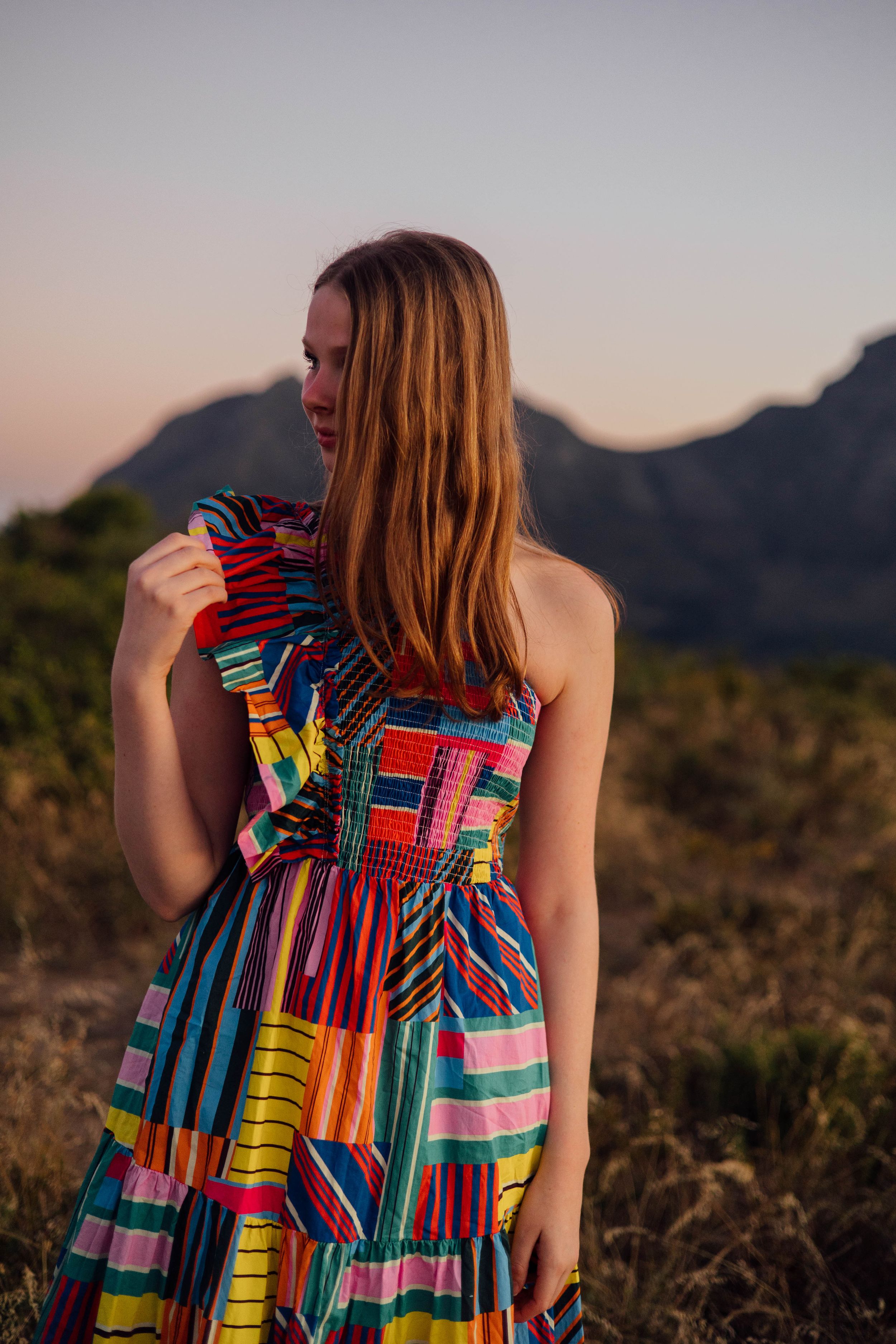
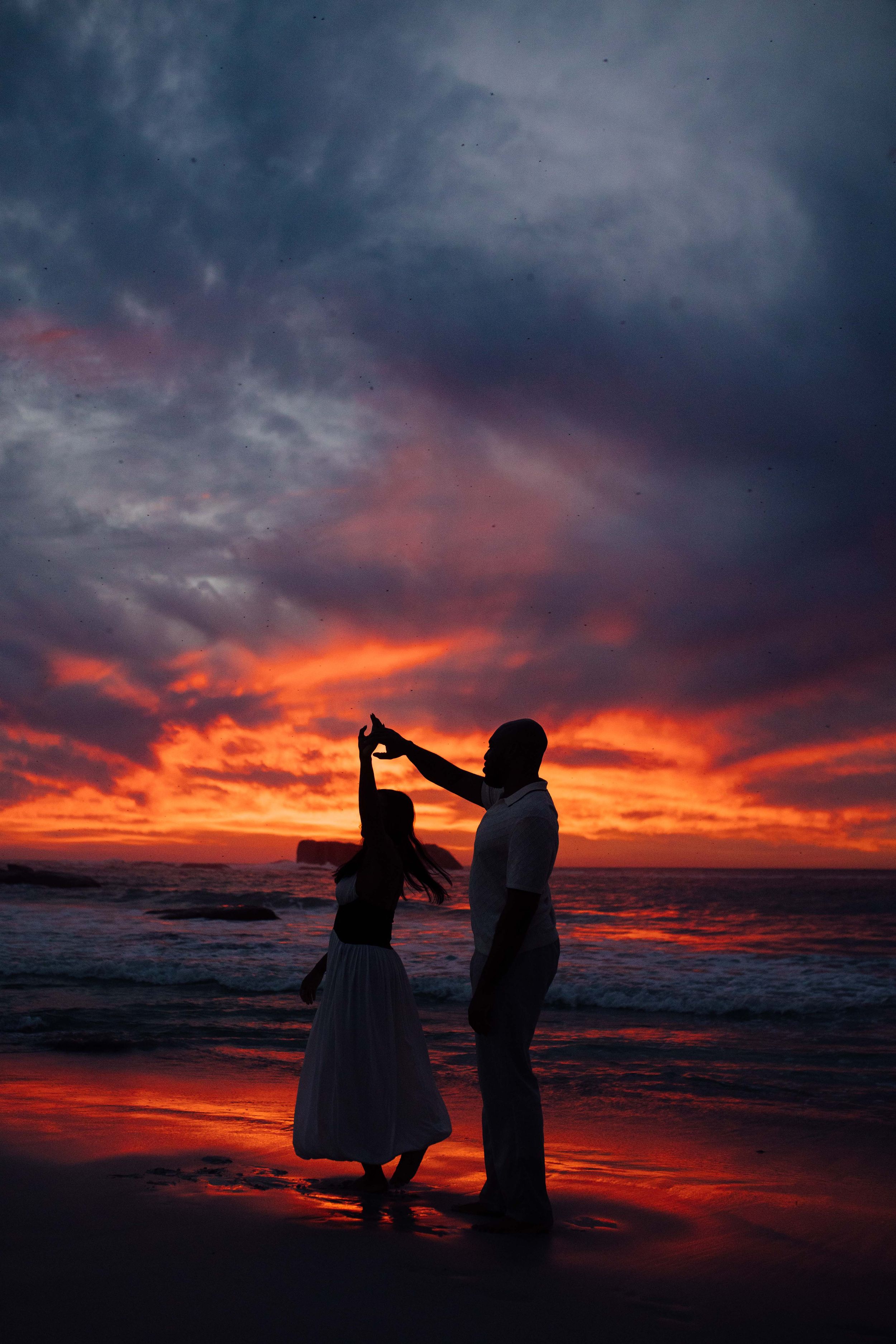
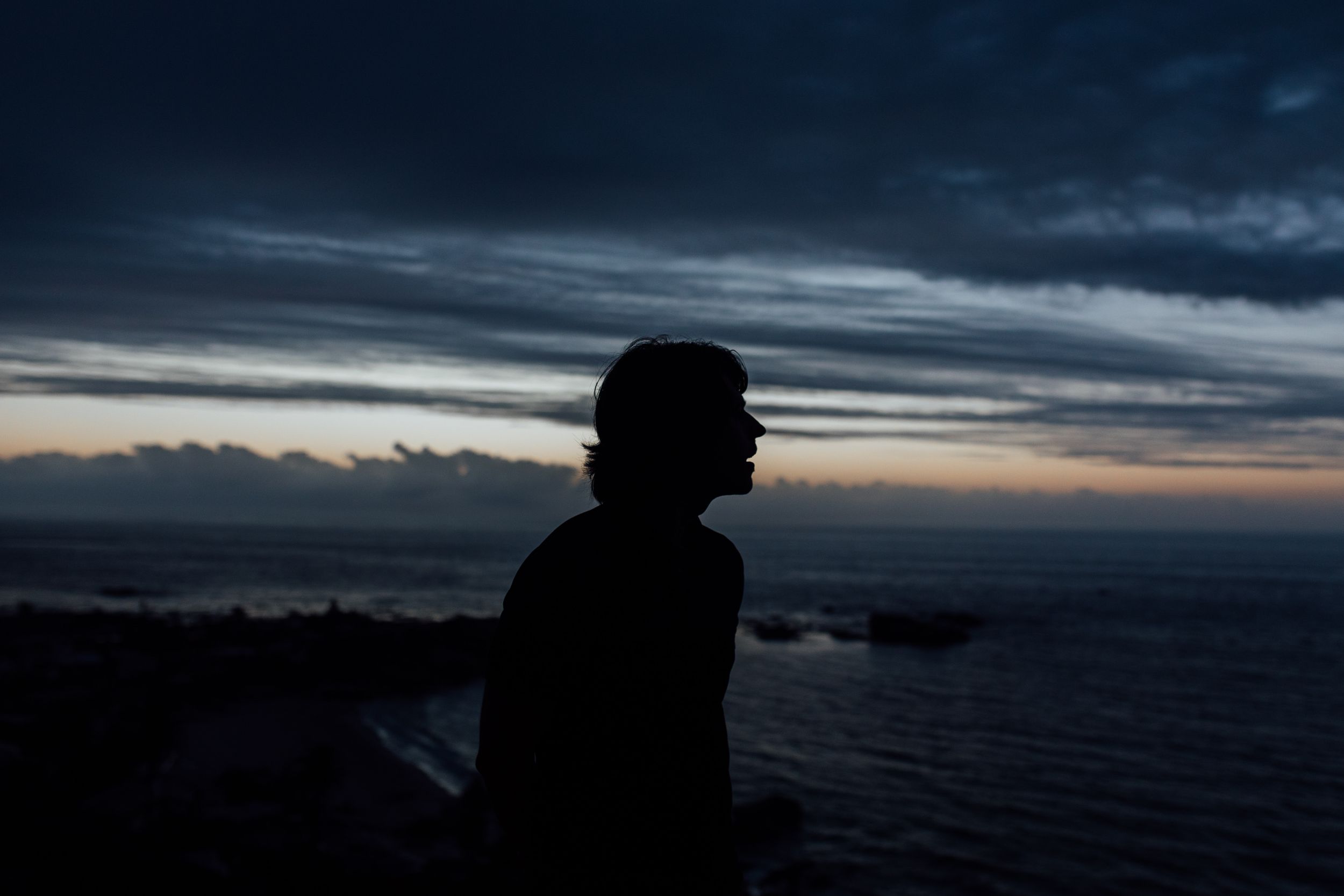
Being a photographer for over 15 years means there are an innumerable number of photos I've taken. The truth is, the photos you see on my website, blog, and Instagram are probably only about 0.001% of the total photos I've captured. Besides that, there are times when I second shoot, associate shoot, and more often than not, clients are eager to keep their photos private - resulting in additional reasons for even fewer photos to be published and shared on my platforms. So today I've decided to expand on the topic and share some of these forgotten archives with you. Incredible, precious, gorgeous moments that no one knows I photographed; forgotten, lost, and stored on hard drives. I don't know if this makes me selfish, but I mourn the moments I photograph and never see again. Moments I'm proud of but can never truly celebrate.
#1 SECOND SHOOTING
When I started my career in 2011, I started assisting various photographers. It was only roughly around 2016/2017 when second shooters became popular due to an increase in husband & wife photo teams. To be honest, I think it was first sold as a gimmick, as a reason to choose them over single-shooter teams. And today it's the norm, it's almost expected to have two professional photographers on your wedding day. I personally have a bit of a love-hate relationship with it. I was trained to be able to cover whole weddings on my own, and have encountered more than a few disappointing experiences when relying & trusting the services of seasoned second shooters.
On the other side of that coin, I've found myself becoming an avid second shooter for incredibly talented colleagues in the industry. Photographers who have walked the same journey as me since the early 2010s. I've worked alongside Dear Heart Photos, Christine Le Roux Photography, Catherine Mac Photography, Yolande Marx, Duane Smith, Cathe Pienaar Photography, Bronwyn Tod Photography, and many more.
Most of the time, the second shooter will be vital for capturing the groom, guests, decor, and a second or unique point of view of key moments during the wedding day.
I will be there for days or hours, in the middle of it all, taking thousands of photos. Trying to capture enough variety, detail, emotions, and magic to make the wedding couple, planner, and main shooter proud to have me be a part of the team. And at the end of the day, I will walk away, and no one will remember my name, because I was just 1/100 services providers dressed in black at a wedding with 100+ wedding guests. It's the job. It's what you get paid for. Because the only photographer that matters is the main shooter, and you're just the cherry on top. The wedding can still go on without you.
But I'm addicted to my job, it's always fun to work with friends, and you can always learn something new when working with someone else. Even though these images can be great for your portfolio, I can never claim them as my own, since it's not my wedding, not my client, and I don't carry the weight and responsibility of the day.
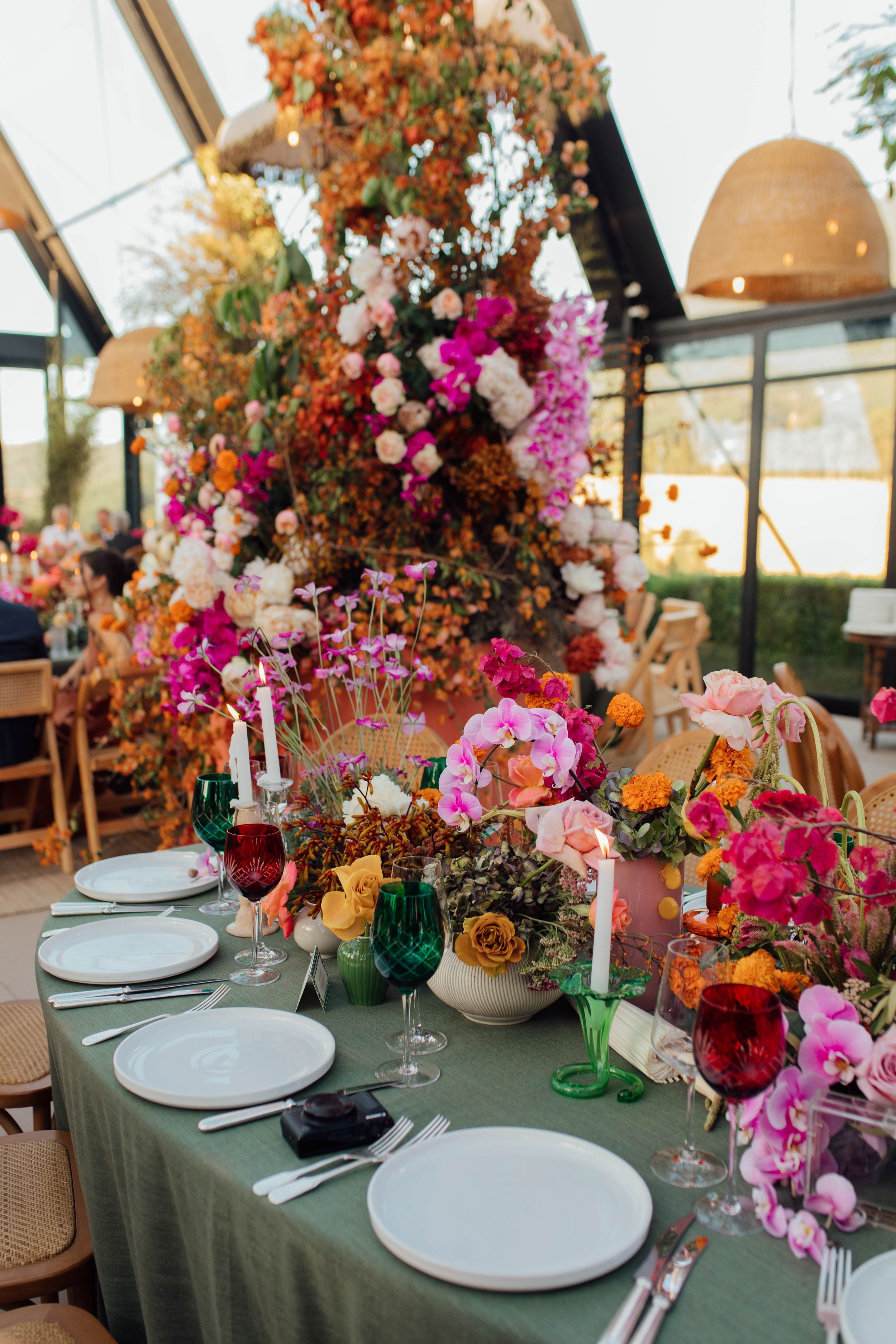
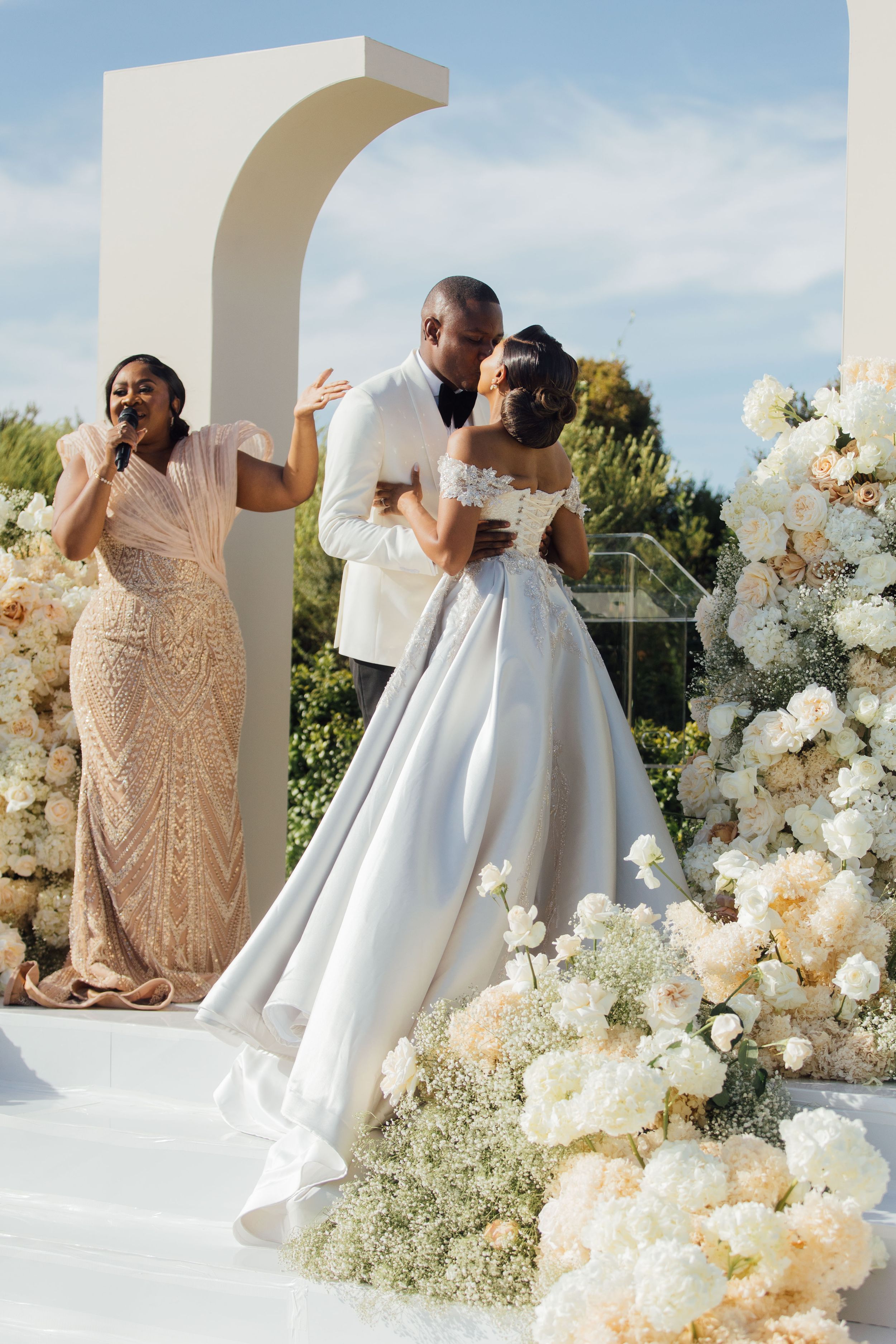
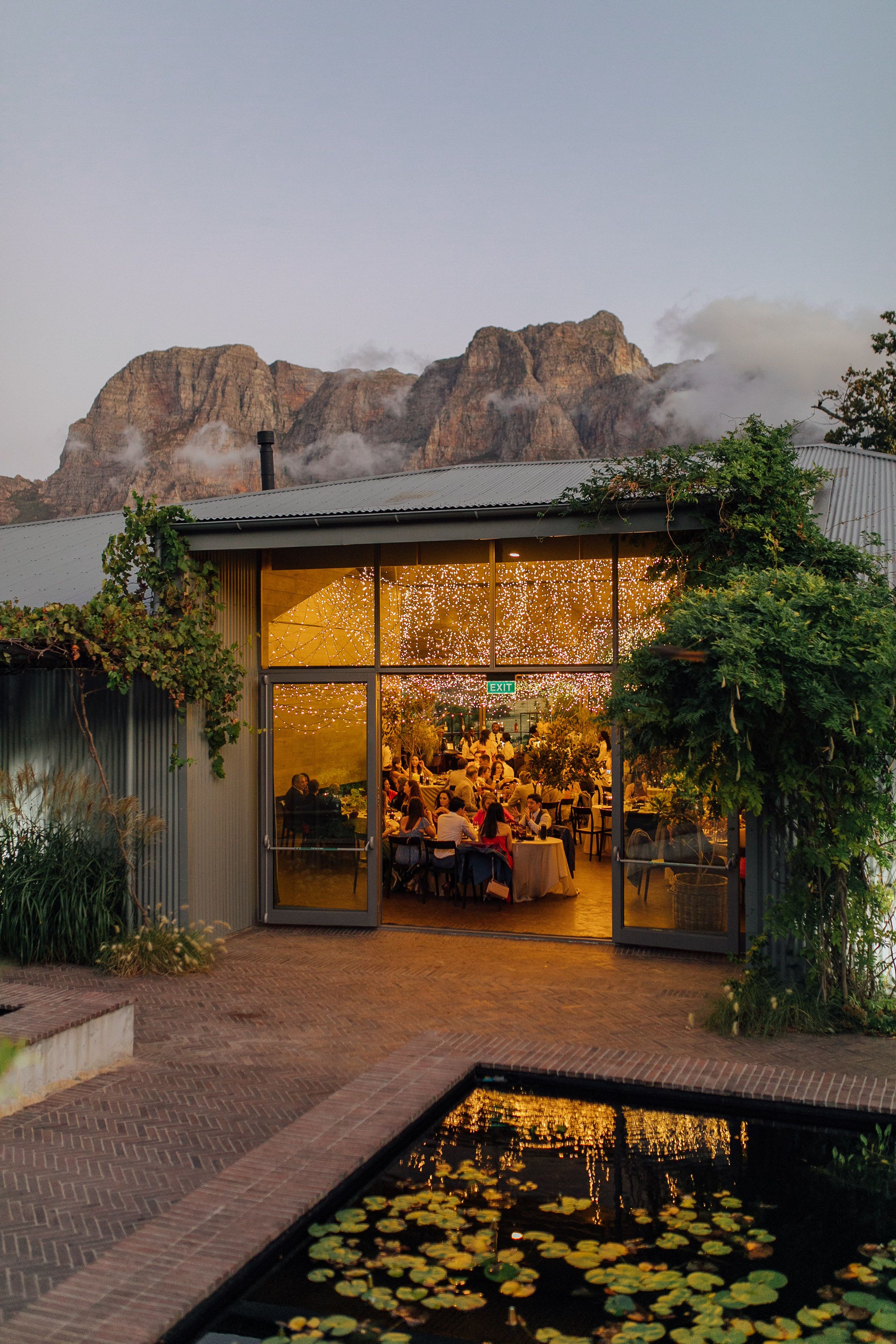
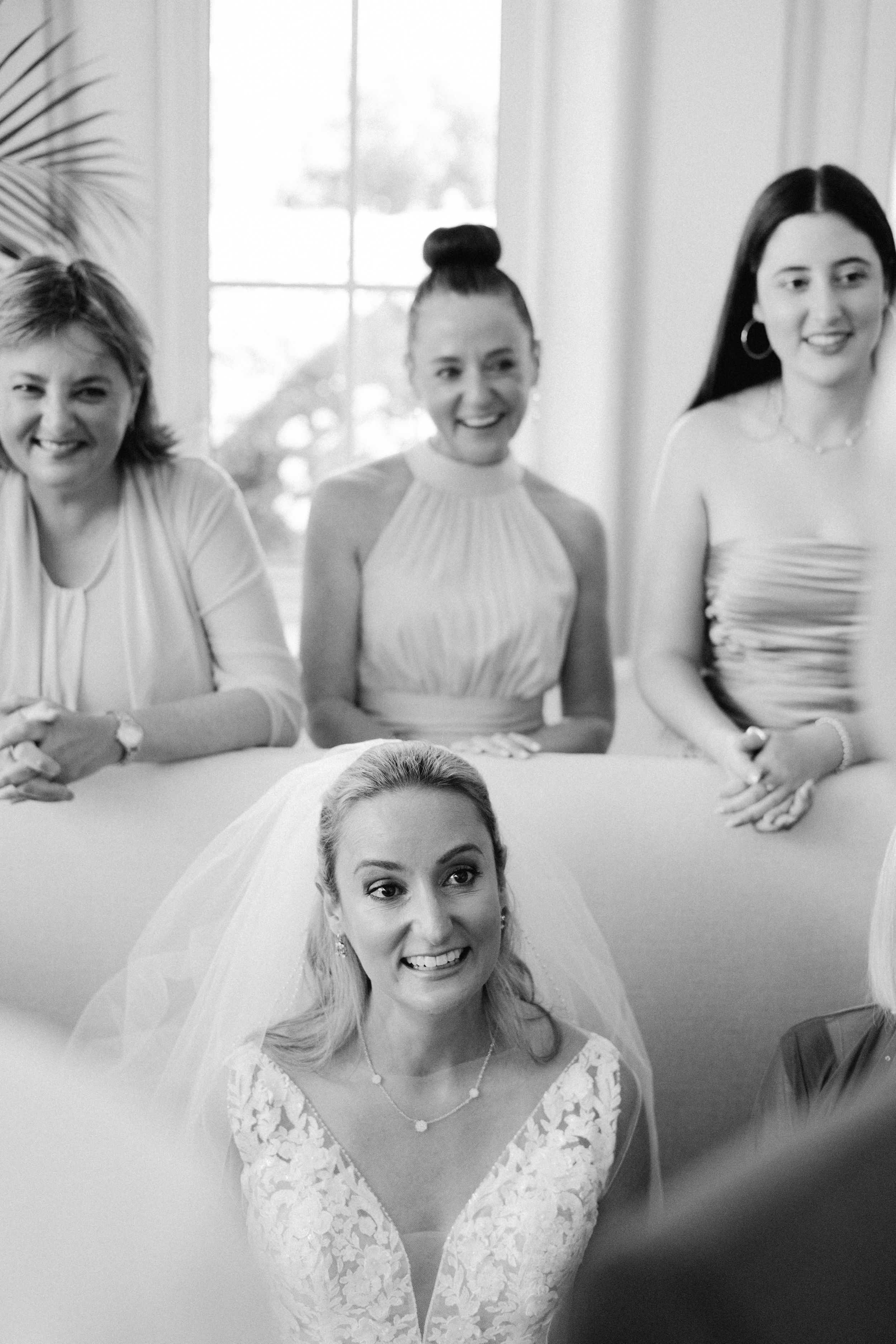
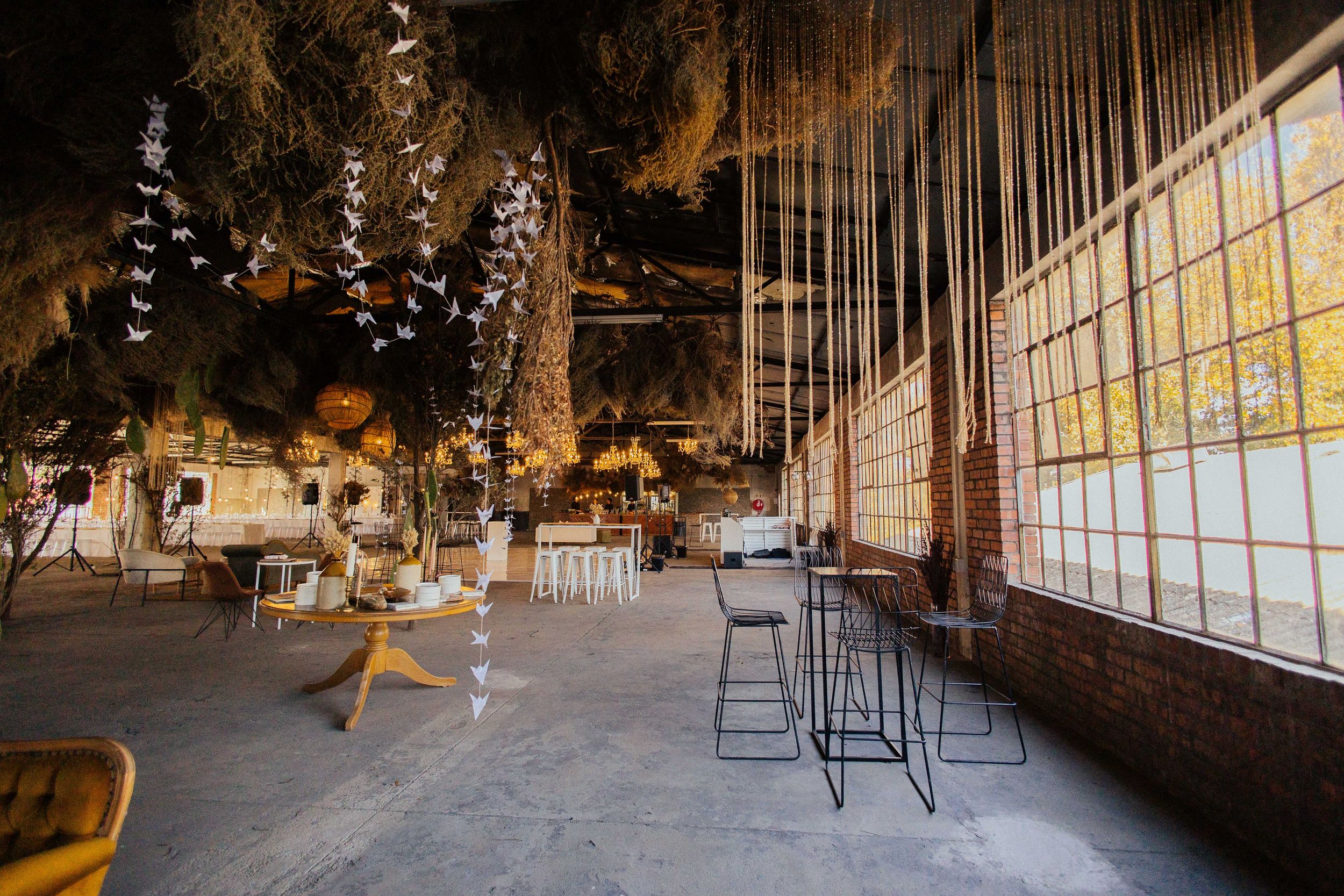
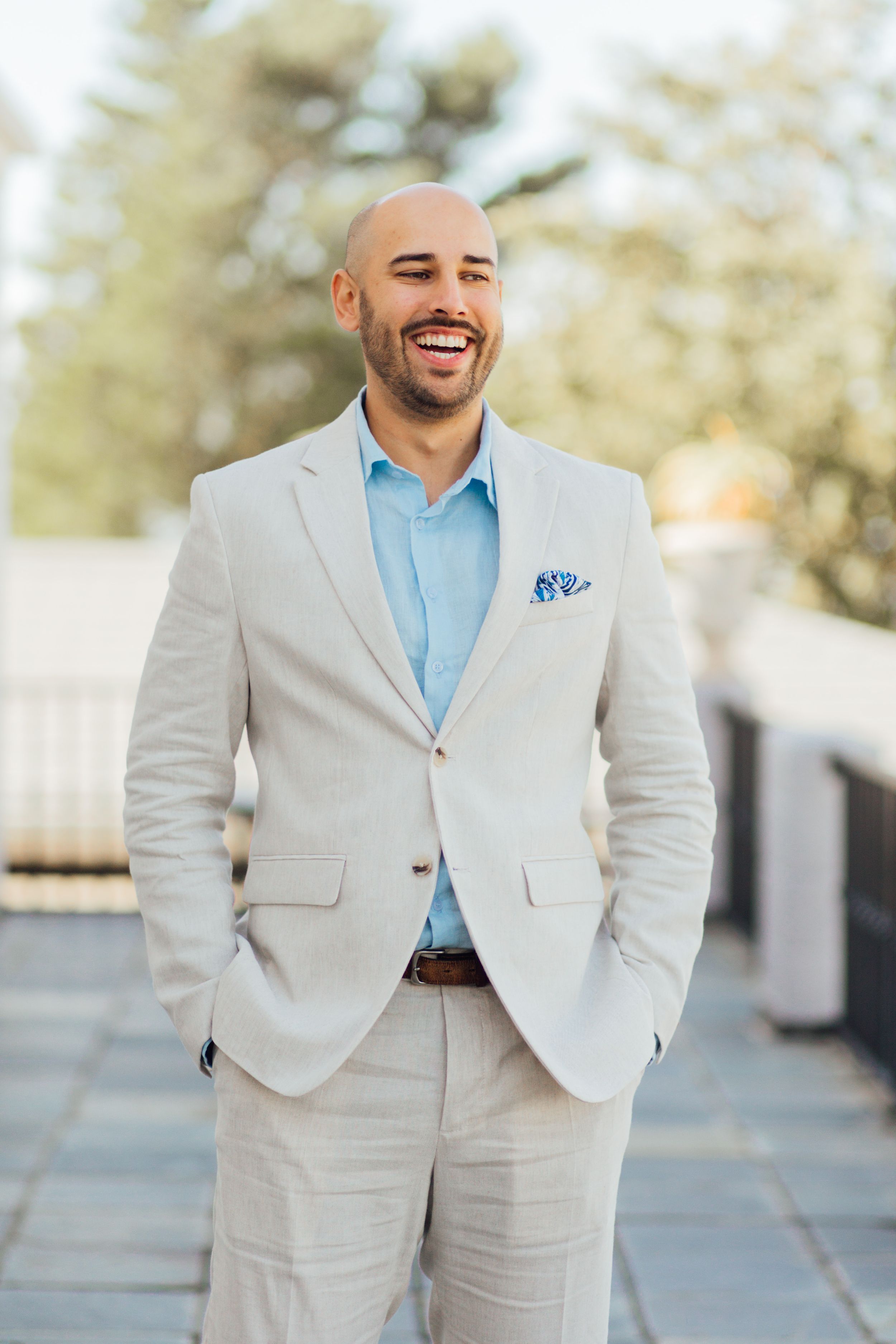
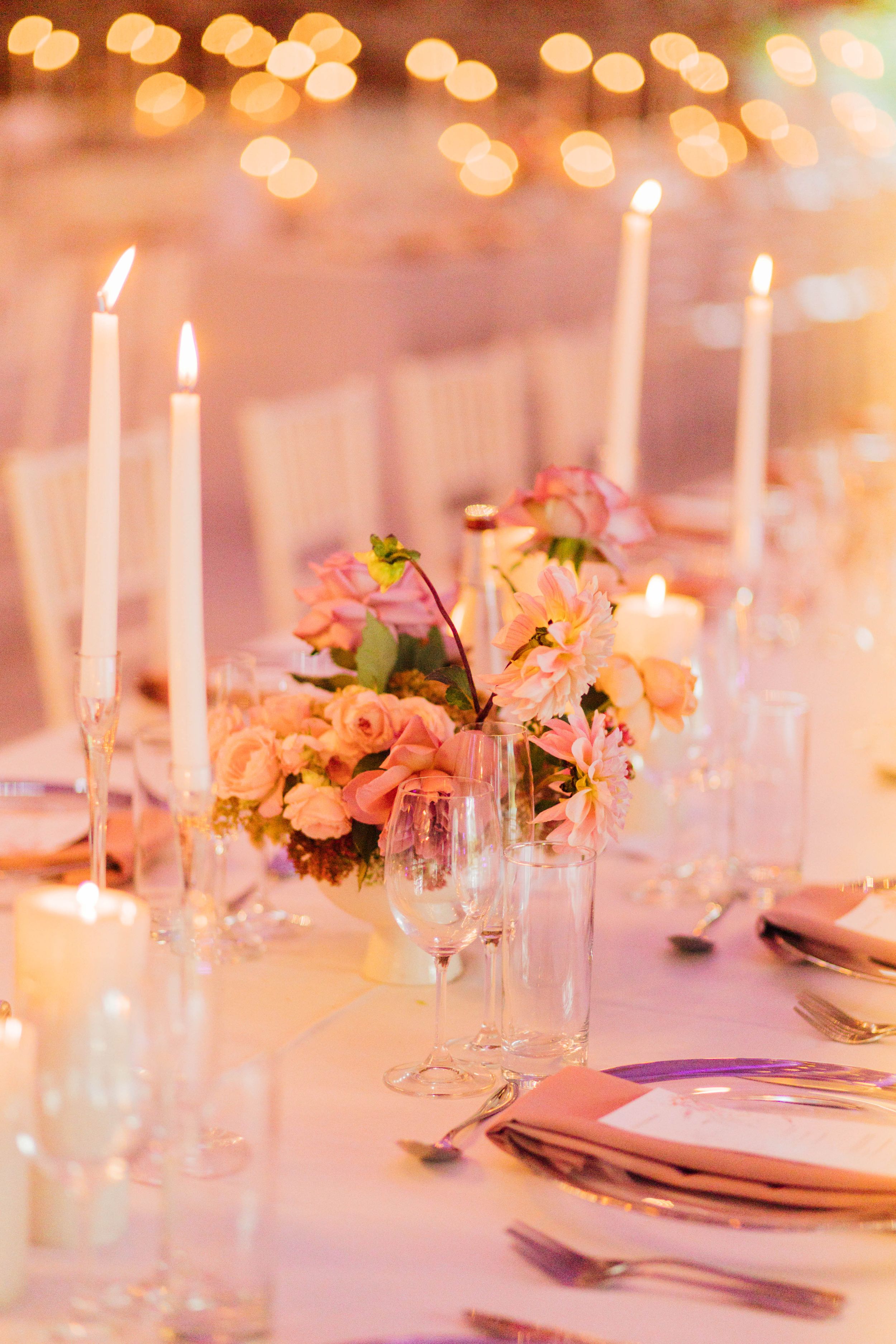
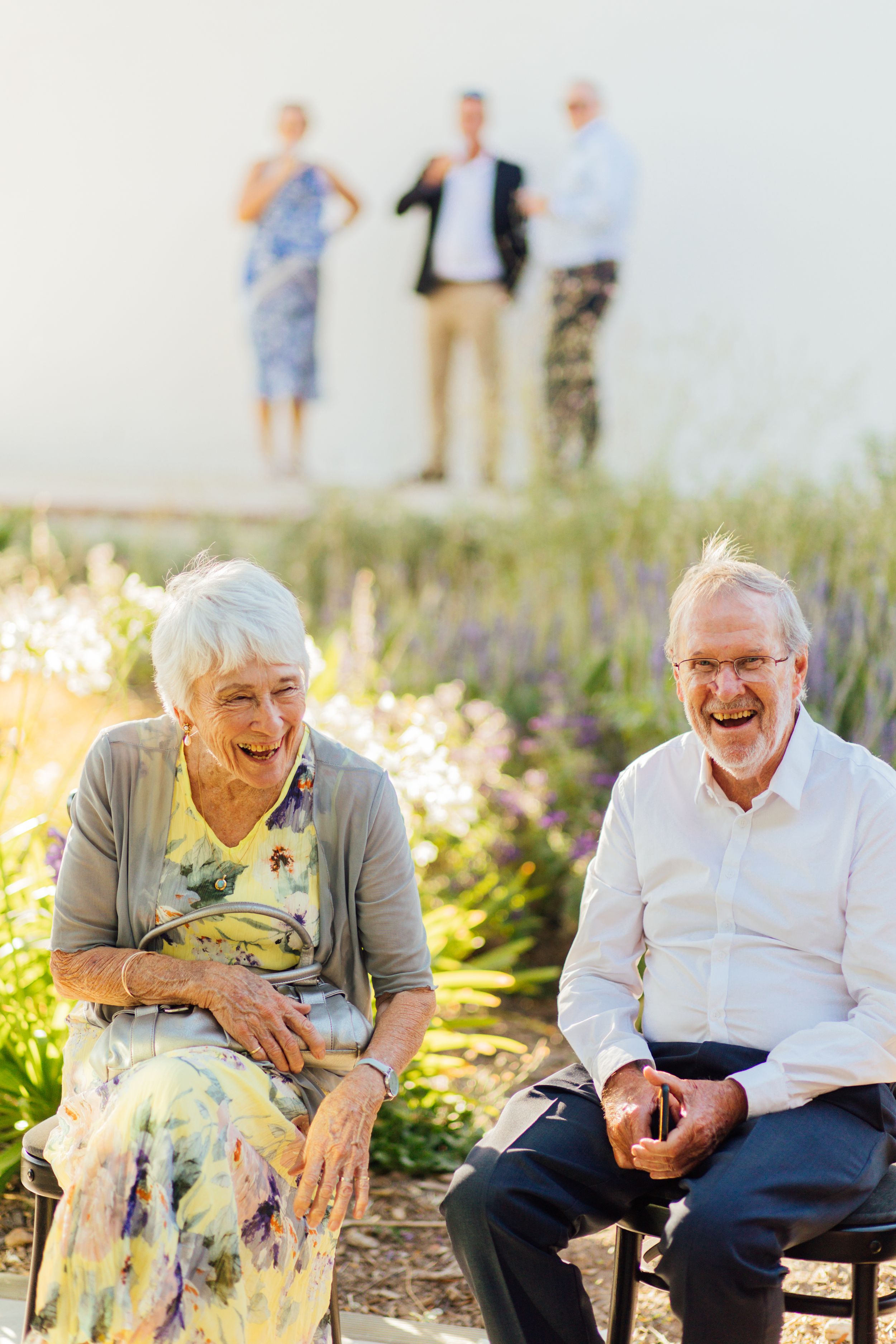
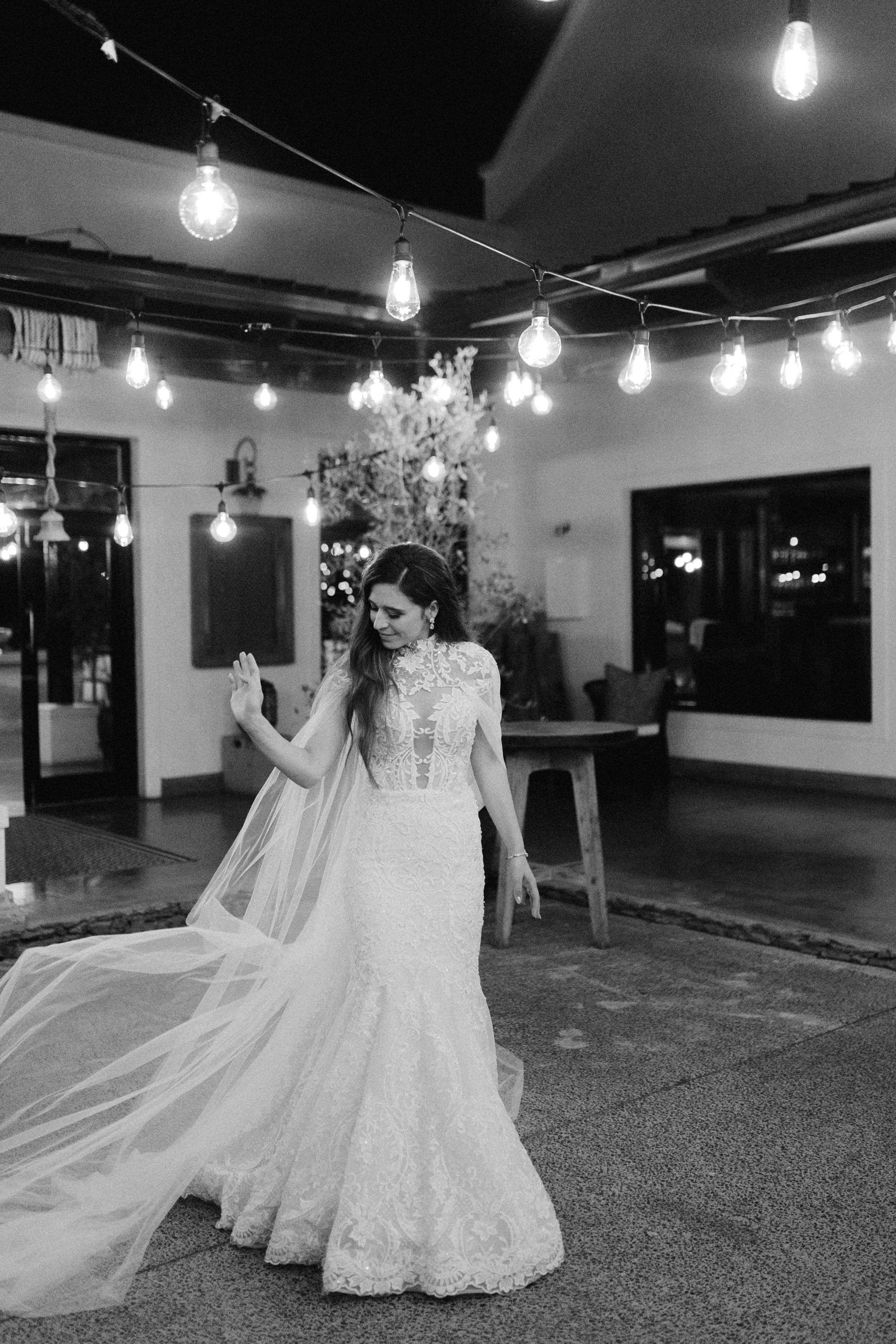
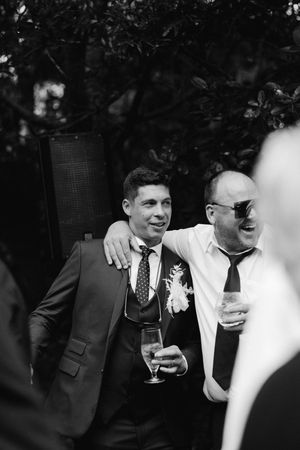
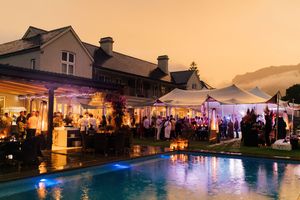
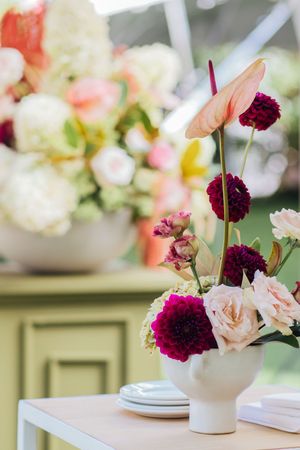
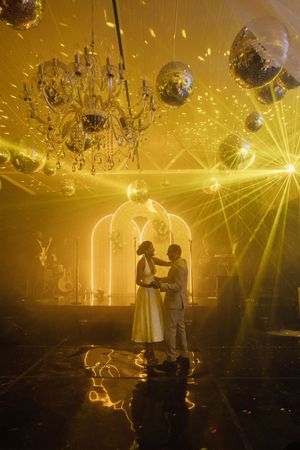
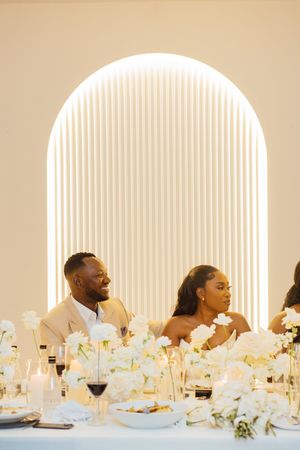
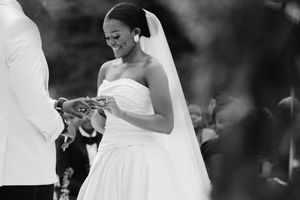
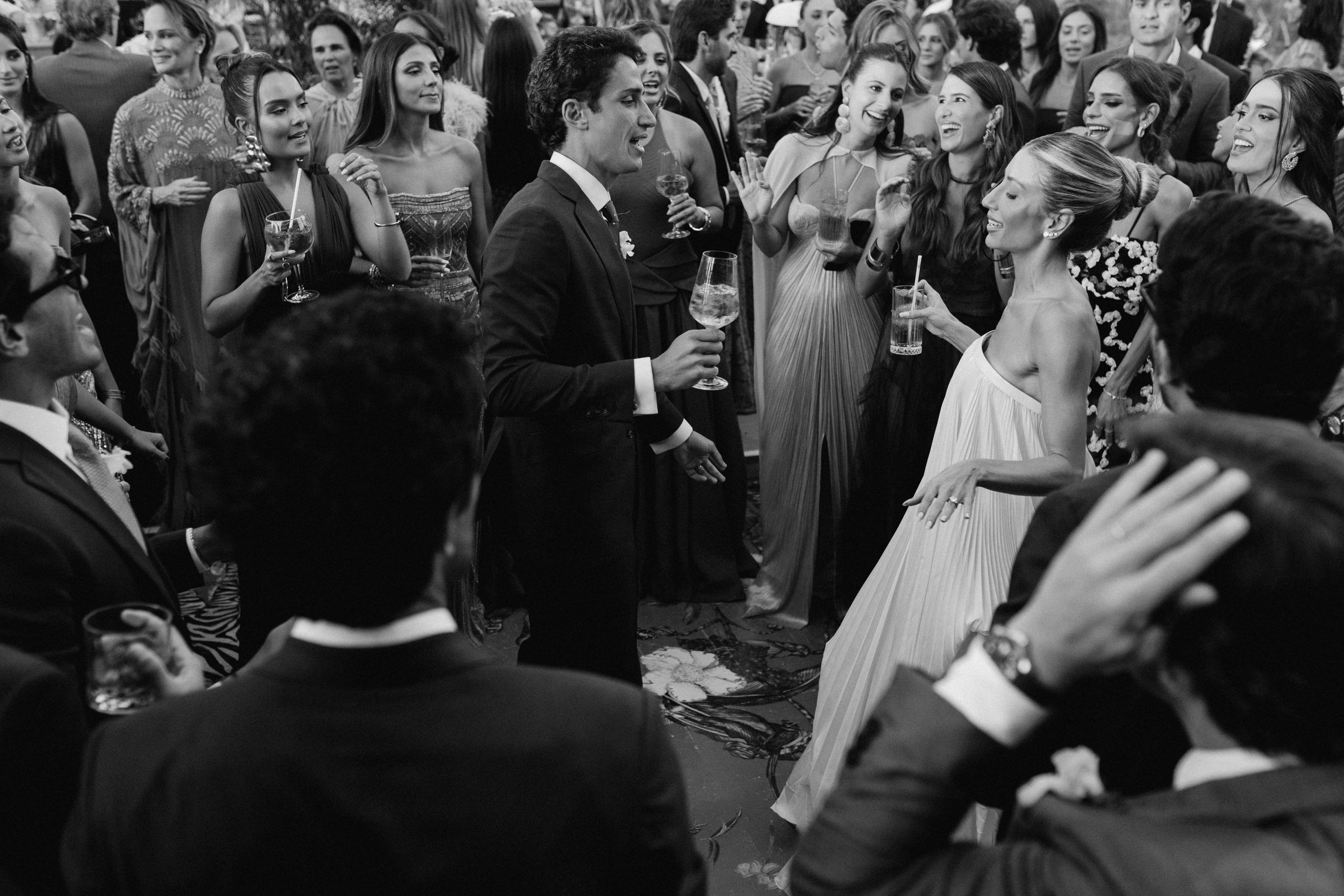
#2 ASSOCIATE SHOOTING
Associate shooting is when you shoot under another photographer's name. You're there on the day, taking the lead, taking photos, setting up shots on your own. Afterwards, you deliver the RAW files to the photographer who contracted your services for the day (as a once-off or part of a permanent team member). They'll do the photo selections, photo edits, handle all communications with the client, and deliver the final gallery under their name and publish it on their website.
In my personal opinion, associate shooting started after COVID (2021/2022). The industry shifted, demand changed, there were advancements in technology, and an influx of self-taught, fledgling photographers. You could build a photography empire with no borders. Have multiple shooters and editors across the globe, all under your own name. And today, with the power of AI, it's easier than ever.
In the past, associate shooting was more commonly used as something only under extreme circumstances. If you were sick or injured and couldn't photograph the wedding on the day, and therefore would need another photographer to step in. Therefore, you would require an associate shooter out of necessity, not as a business model.
There are a lot of pros and cons surrounding associate shooting business models. It has been proven to be a huge success. You can make up to 70% profit from each wedding, and you're able to send out multiple teams to multiple weddings on one day. This can also be a double-edged sword. Regulating constant quality in photography services and customer care on the day can lead to disappointment, and more often than not, this can lead to circumstances where people feel "scammed".
I do understand both sides of the argument. Photography has always allowed everyone to run their business as they desire and serve a unique clientele. It doesn't matter how badly you want to put photography or photographers in a box; one size does not fit all. And due to photography being a creative service, you can sculpt your desired business or client on a micro level.
I am a one-(wo)man-show. I handle everything in my business from start to finish on my own. I wear multiple hats; I do marketing, selecting, shooting, planning, micro-managing, editing, customer services, bookkeeping, everything, and more. People would say it's because you can't let go of control, but I would argue that the whole service (or art form) is deeply personal.
My interactions with a client matter even before we meet. The results of a shoot will depend on how I made the client feel during the shoot, how I decided to pose them, or handle difficult, unexpected hurdles during the shoot. The 100/1000 photos that I select matters, how I choose to edit them matters. And although people will try to simplify and quantify the whole process so that it can be streamlined by automated processes (AI). I argue that each human being is unique, each photo shoot is unique, and therefore, the results (selections and edits) are unique. Even though I might have the same style or approach, I do believe no two shoots are the same.
And the reality of the situation is that such an intimate and personal approach isn't valued by all. Most people are happy pointing to and saying what they want and getting exactly that - like ordering a burger at the drive-thru. No ifs, buts, or coconuts.
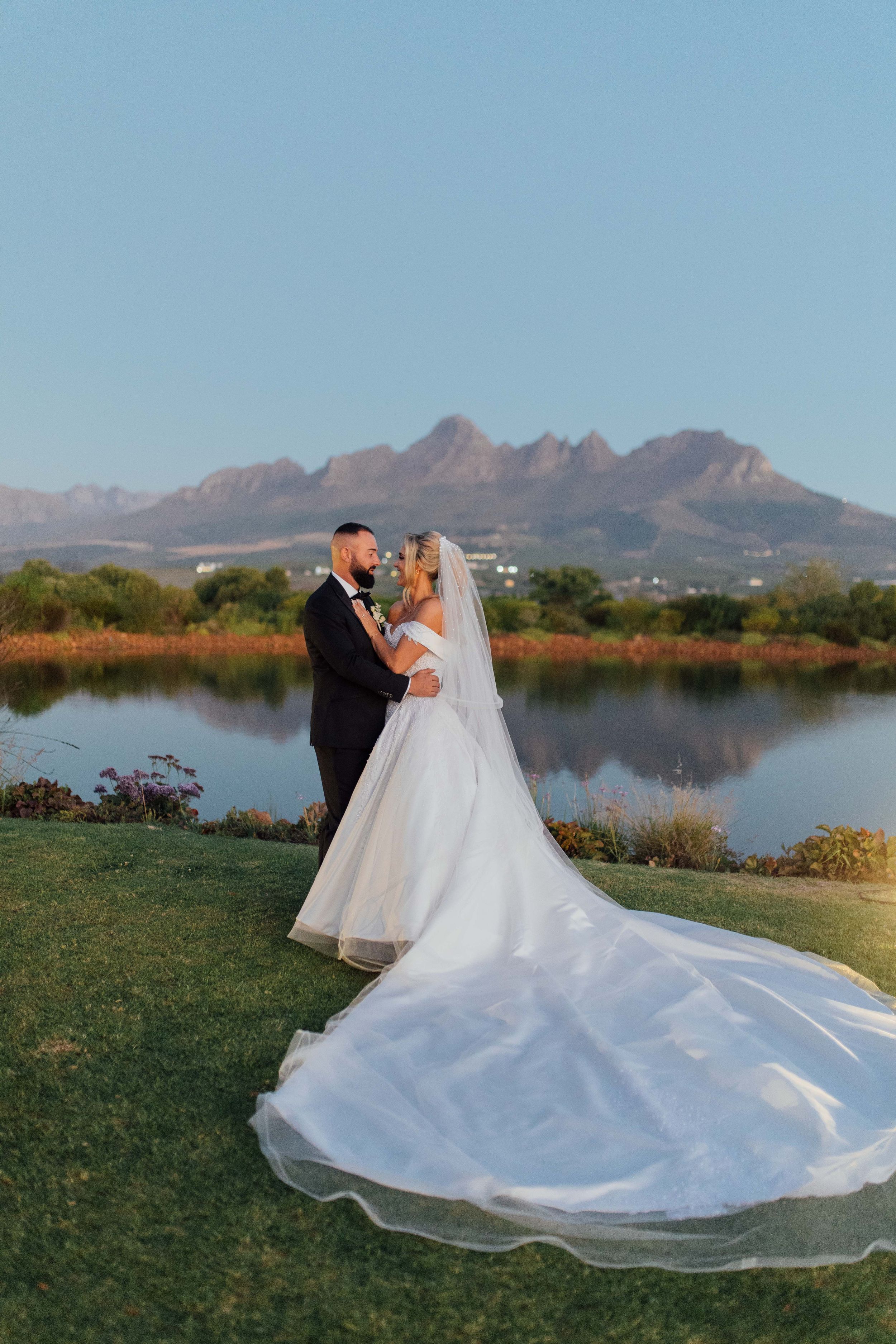
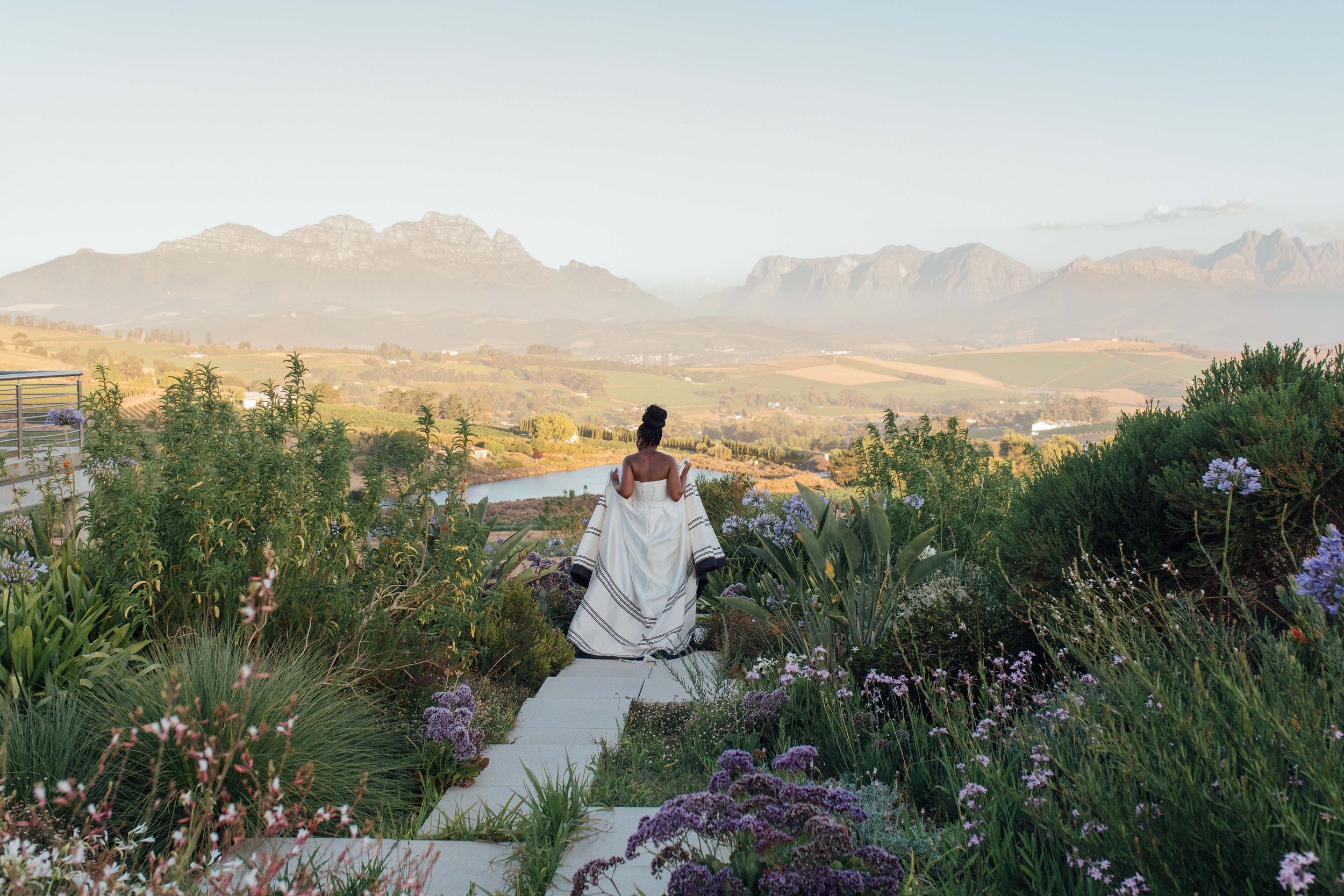
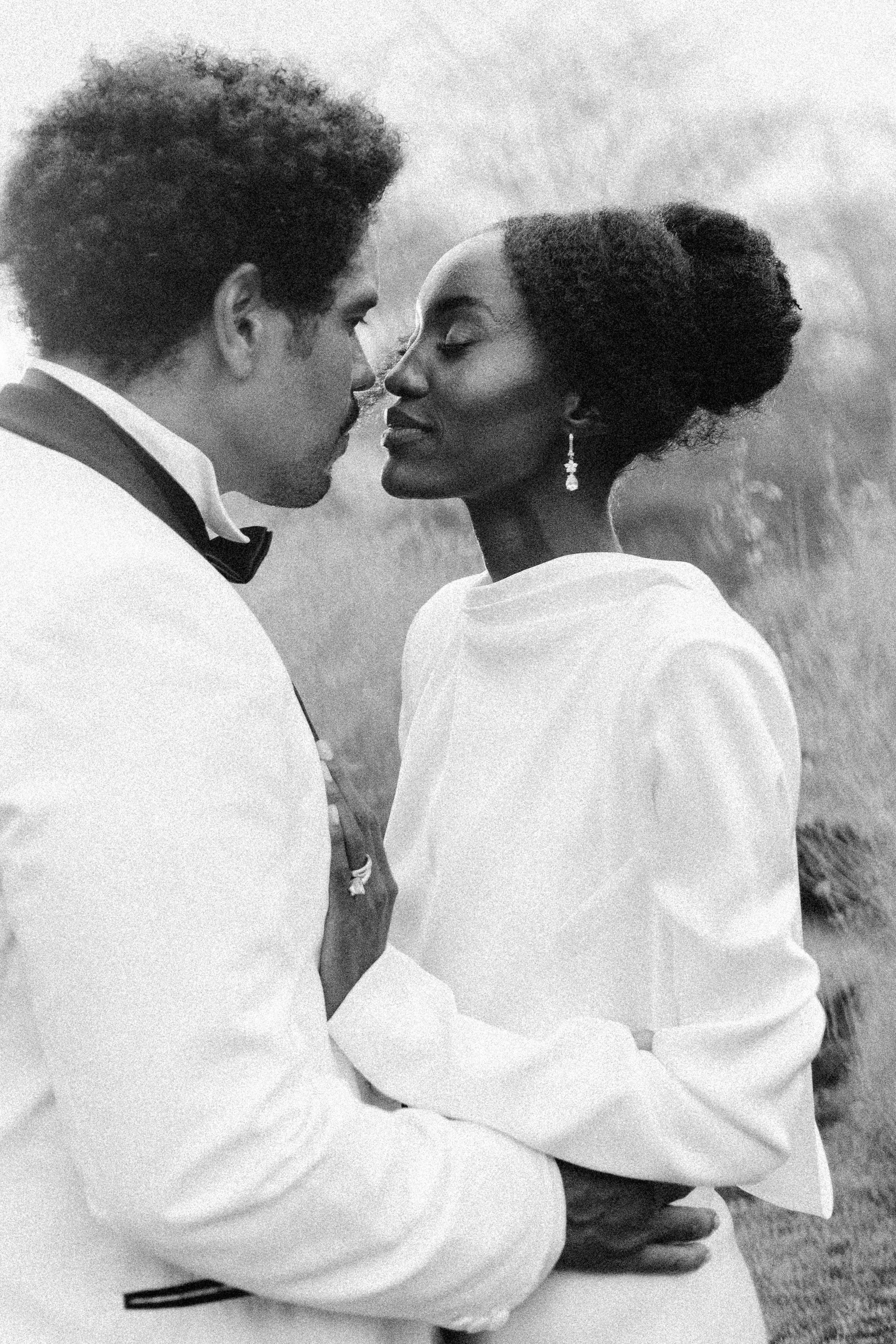
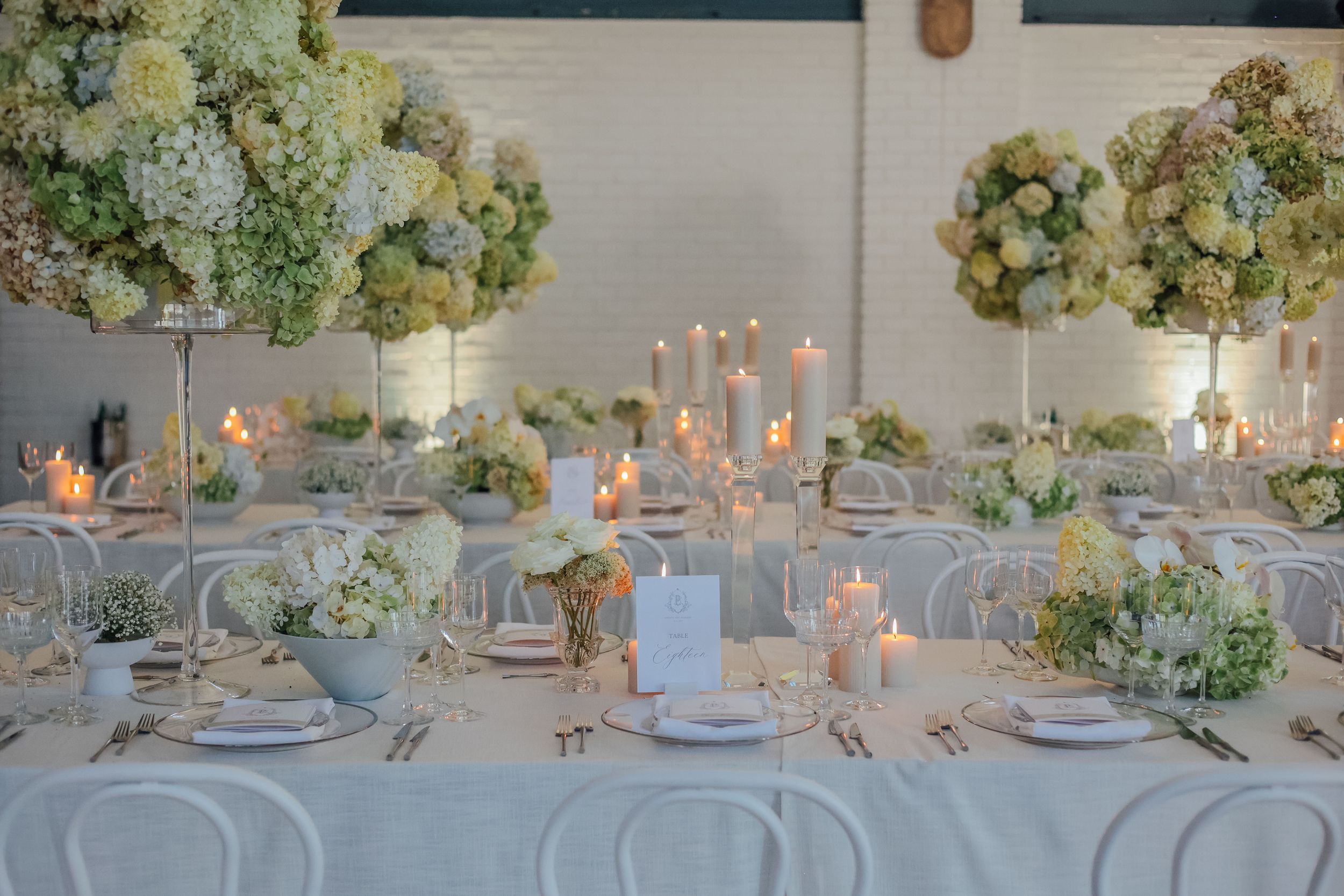
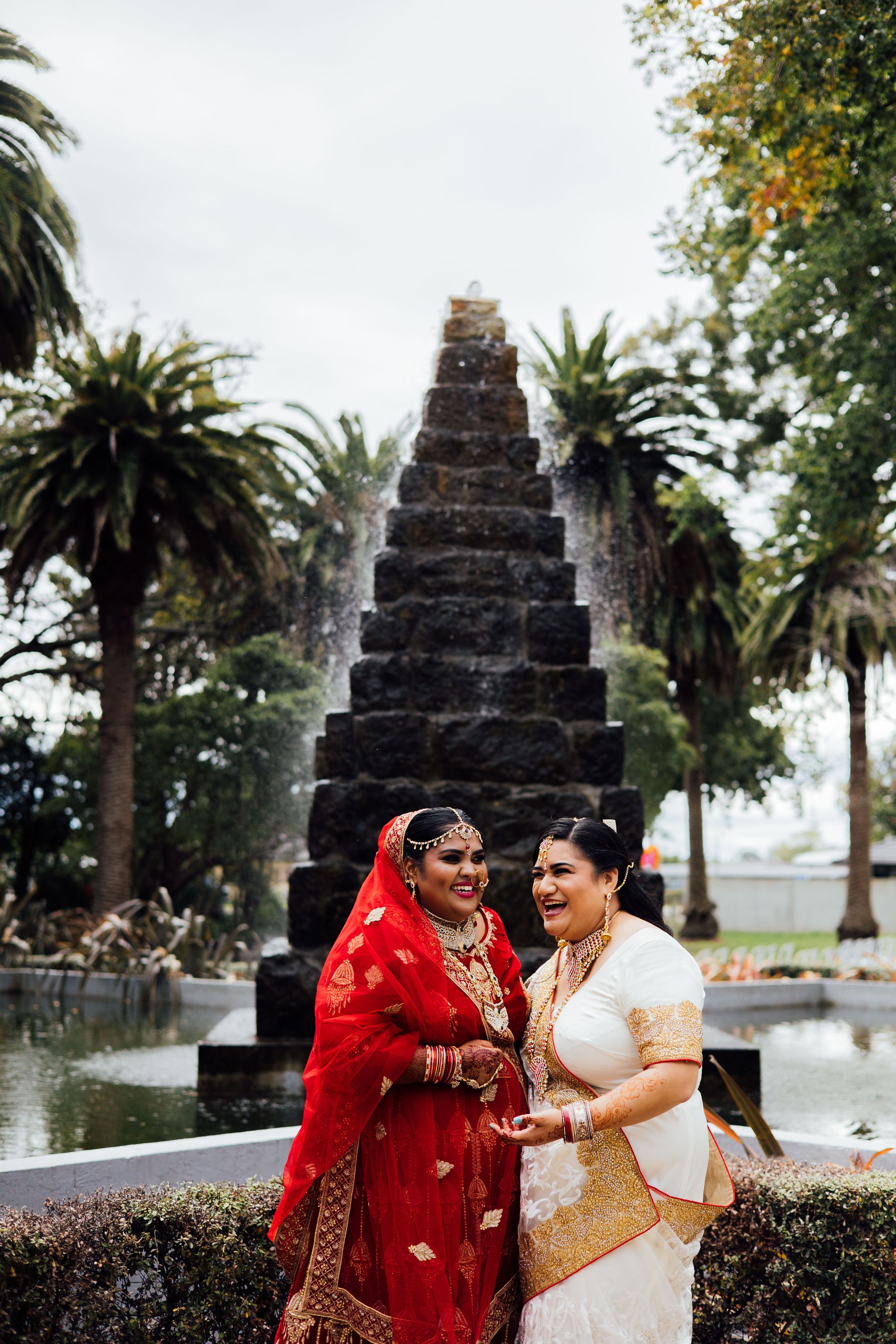
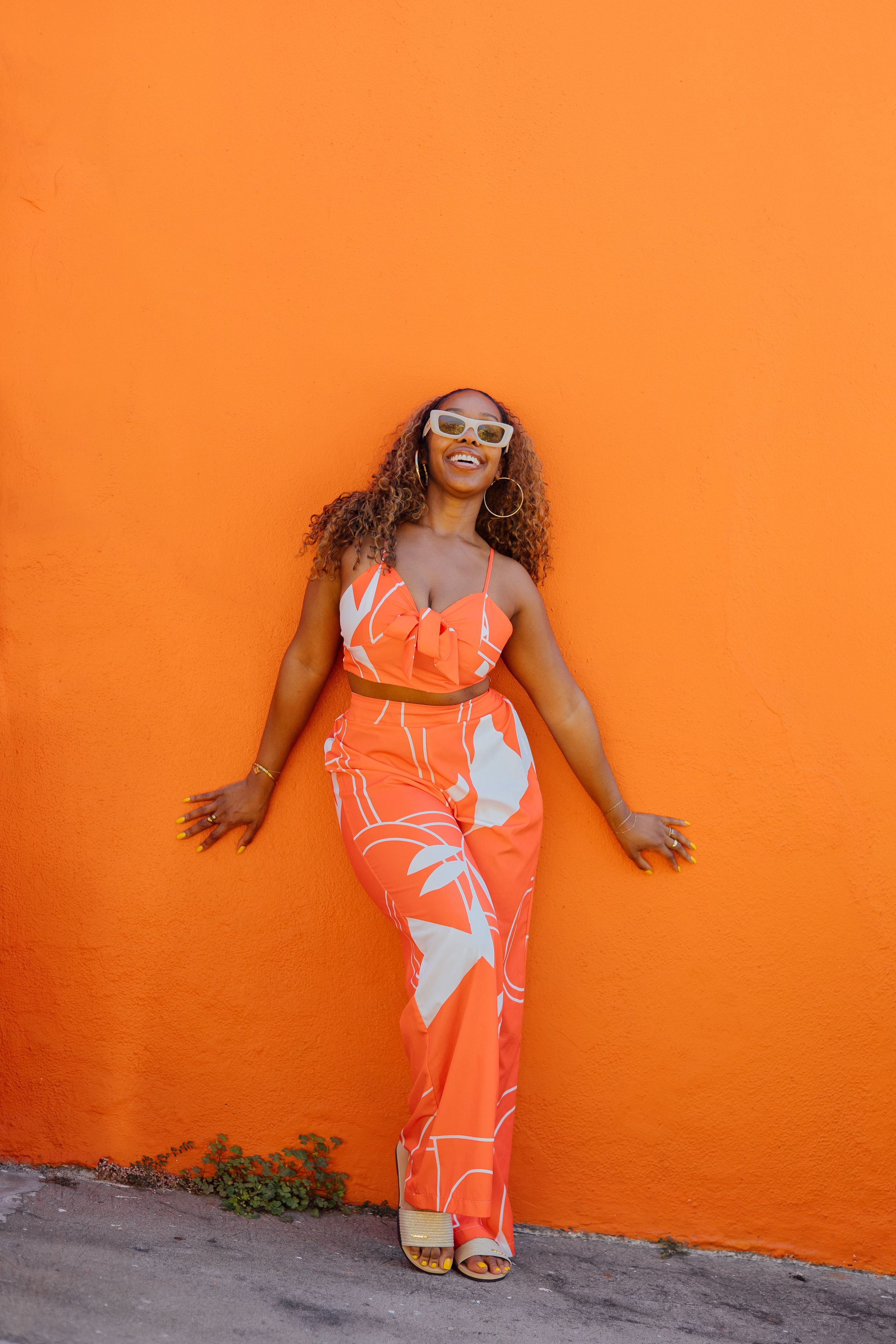
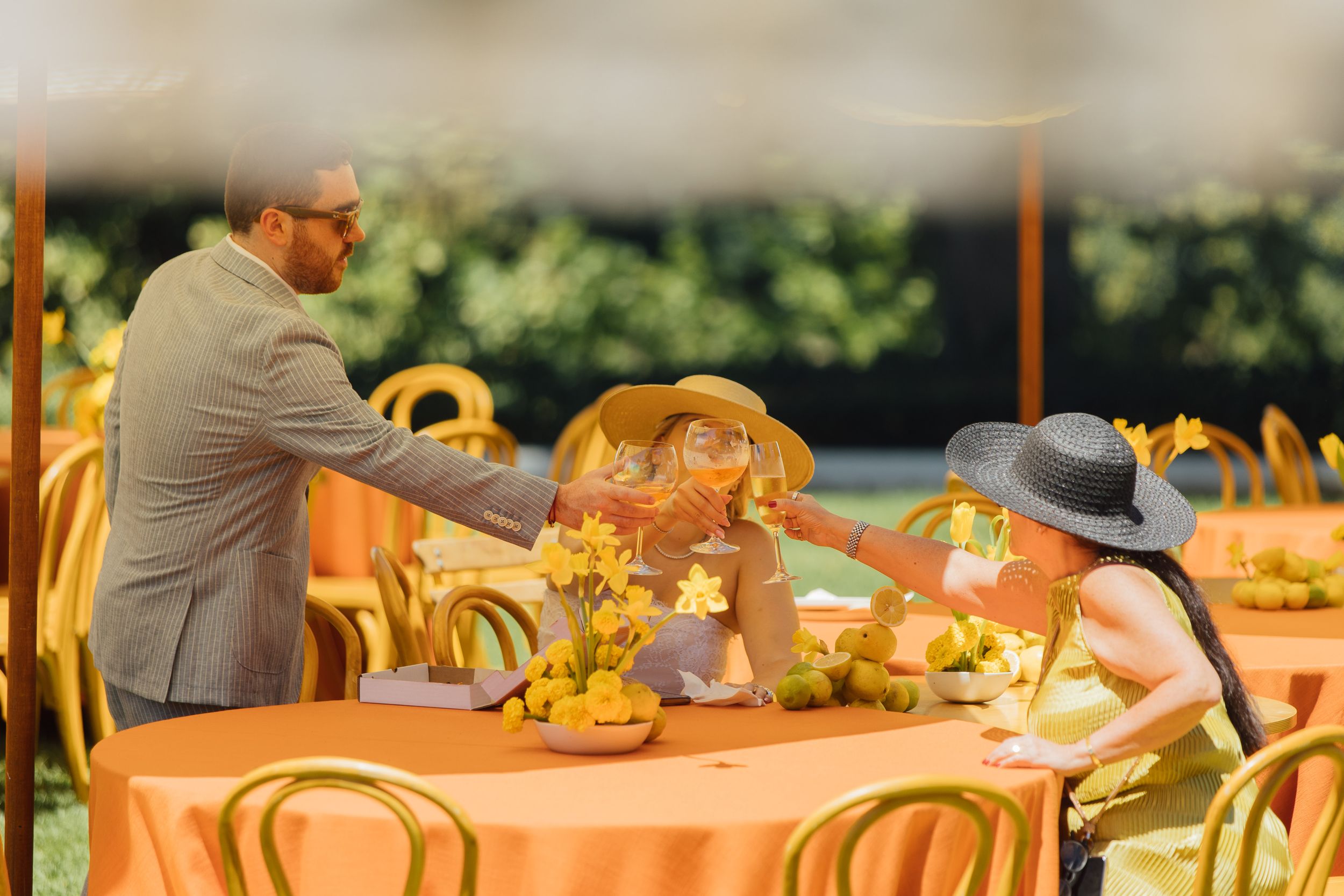
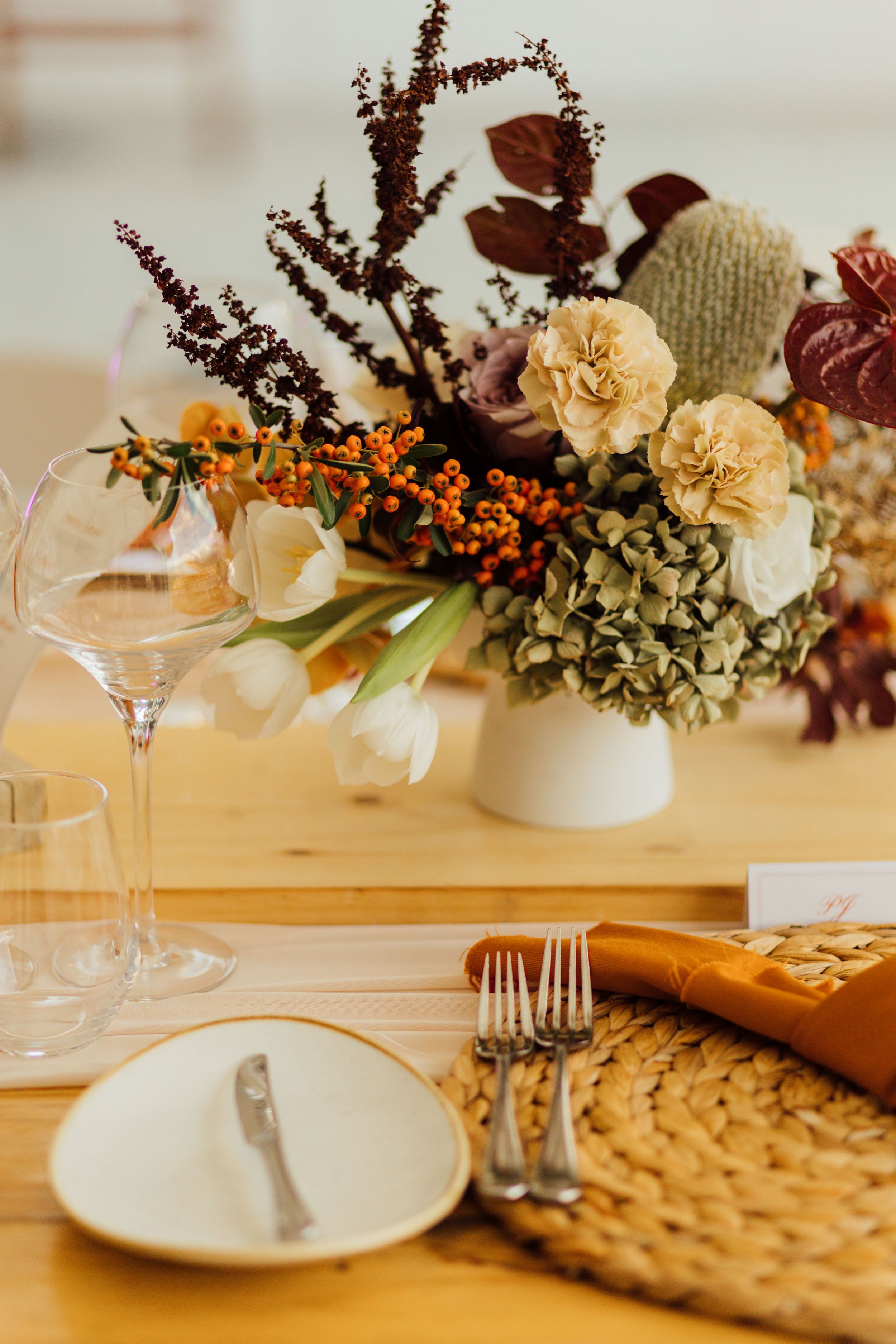
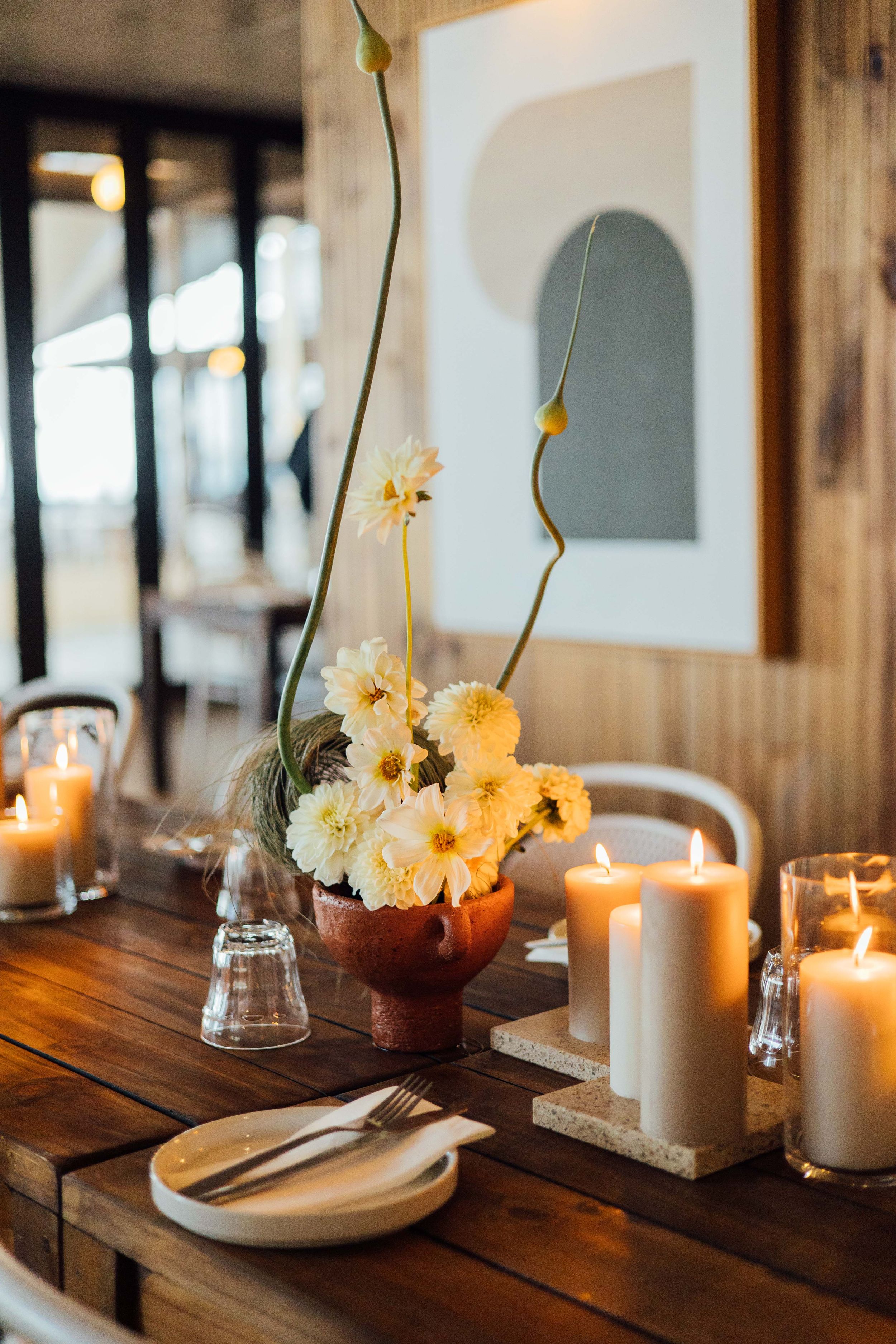
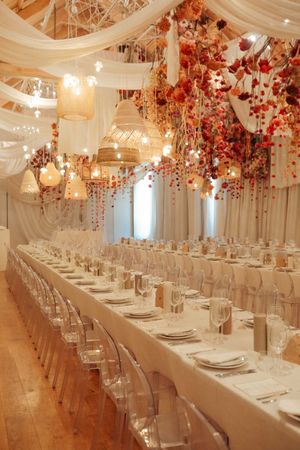
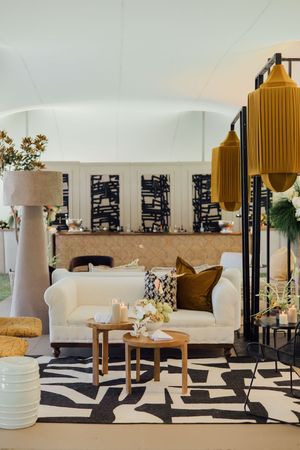
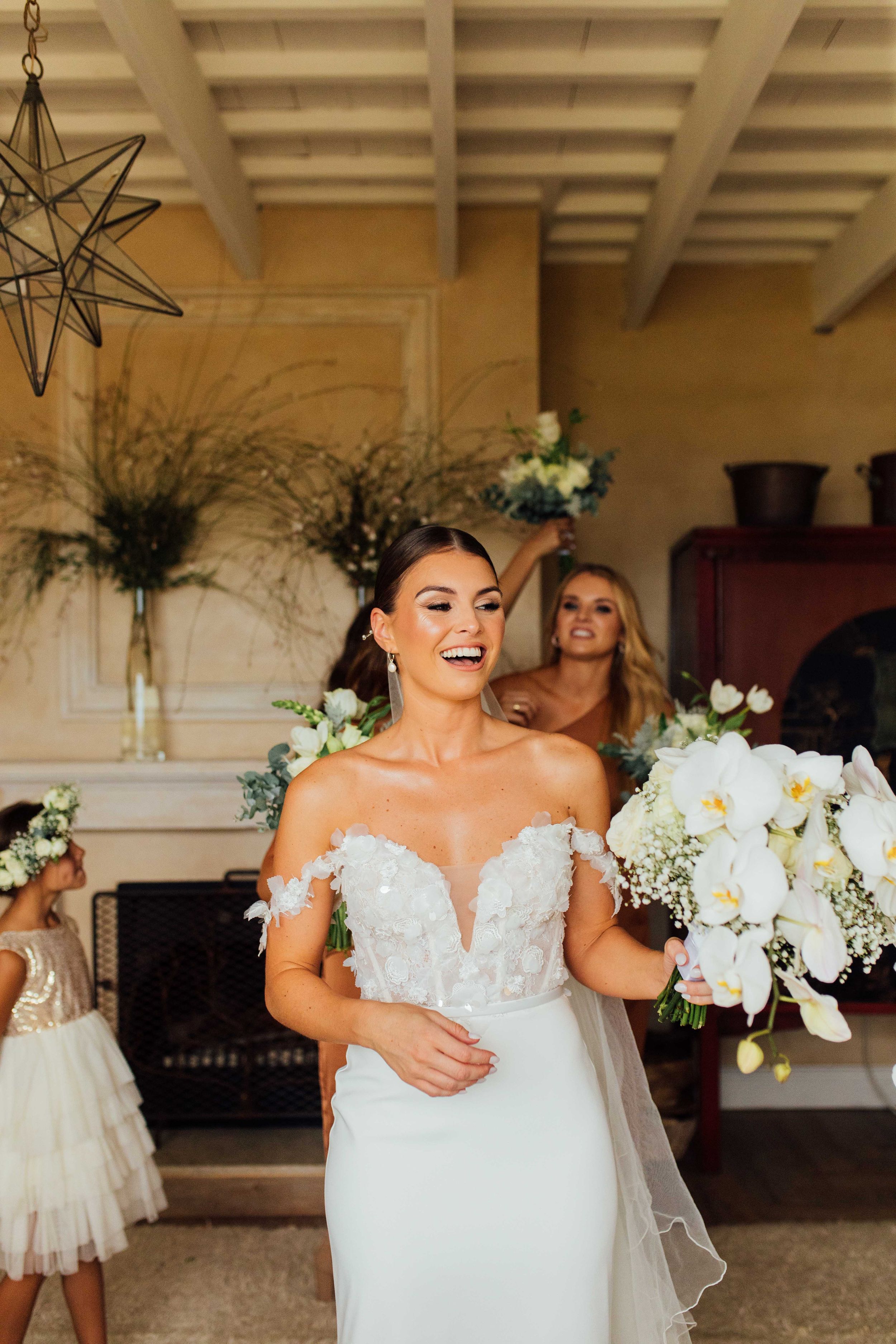
#3 PRIVACY
The internet has grown into the wild wild west in recent years. Where it started out as something small and fun, in 2026, it has turned into an uncontrolled, unregulated, and unchecked beast. Data can be harvested, stolen, sold, used, and abused. Your likeness can be used to train AI. Privacy settings are supposed to help you sleep more easily at night, but nothing is really guaranteed or ever truly safe.
As a result, the desire to keep photos private and off the internet has grown substantially. It started with celebrities, then powerful businessmen, then social media shy/anti-social media people, followed by families trying to keep their kids safe, and now just your average Joe. Close to 50% of my work (if not more) is all marked as private, and that is completely understandable.
I always respect privacy requests, but at the exact same time, it kind of breaks my heart. Naturally, I'm proud of my art and hard work, I want to share it with the world. Another unfortunate side effect is that if I can't share my work, I can't book new clients. People devour photography content: the more you post, the more bookings you'll receive. They want to see new work, not only recycled work. Potential clients will see new weddings or shoots and identify with it. They see themselves in your work and realise you're the perfect photographer to capture their dreams, and so the cycle continues.
What are your thoughts and feelings on the topic? Do you prefer to keep photos private? Is having a second shooter a deal-breaker when booking your photographer? Have you worked with a photography company that works with several associate shooters?


